

Report Overview
The Global Feed Antioxidants Market size is expected to be worth around USD 742.0 million by 2034, from USD 430.3 million in 2024, growing at a CAGR of 5.6% during the forecast period from 2025 to 2034.
The Feed Antioxidants Market is a foundational part of modern animal nutrition systems. In simple terms, this market covers additives used in animal feed to slow oxidation, protect nutrients, and extend feed shelf life. Consequently, it directly supports feed efficiency, animal health, and predictable farm economics across poultry, swine, ruminants, and aquaculture.
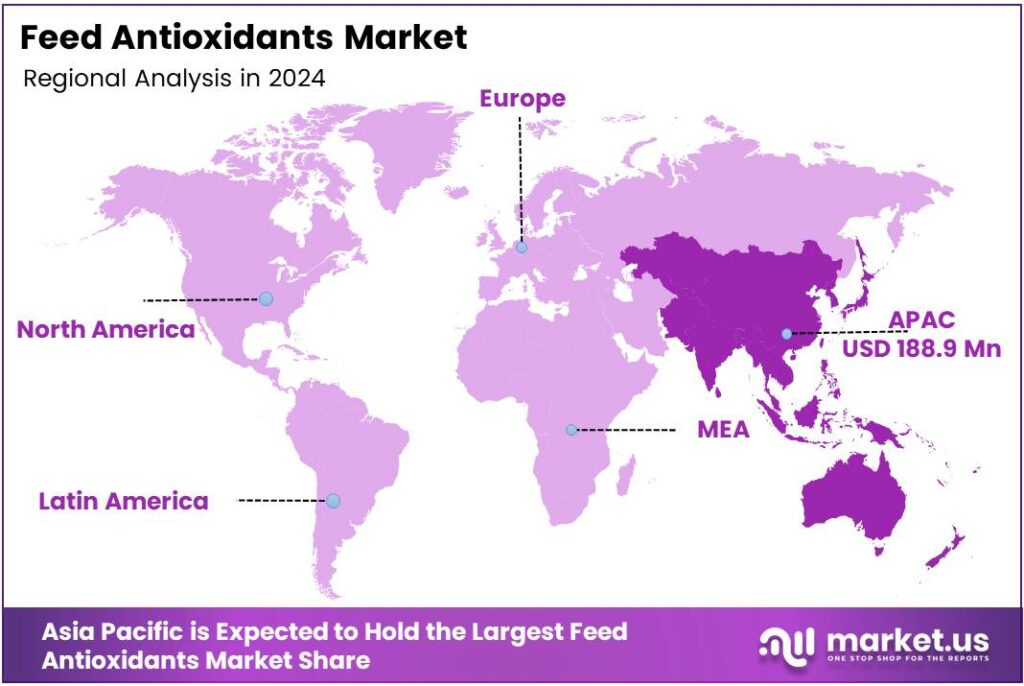
The feed antioxidants market is mainly driven by the growing focus on animal health and feed quality. Livestock producers are becoming more careful about what goes into animal feed, as good nutrition directly affects animal growth, immunity, and productivity. Feed antioxidants help prevent feed spoilage by stopping fat oxidation, which keeps nutrients stable for a longer time. Feed antioxidants play a key role in protecting these feeds during storage and transportation. They also support better feed conversion, which helps farmers manage costs and improve output. Stricter food safety expectations from consumers and regulators are pushing feed manufacturers to use antioxidants. One major restraint in the feed antioxidants market is the growing concern about the use of synthetic additives. Some farmers and consumers worry about the long-term effects of chemical antioxidants on animal health and food safety. This concern has increased demand for clean-label and naturally produced animal products, making some producers hesitant to use certain antioxidants. Regulatory challenges also limit market growth. Different countries have strict rules on which feed additives are allowed and in what quantity. Meeting these regulations can be complex and costly for manufacturers, especially small and medium-sized players. Any delay in approvals can slow down product launches and limit market penetration. Price sensitivity is another restraint. Feed antioxidants add extra cost to animal feed, and small farmers often operate on thin margins. When raw material prices rise, antioxidant costs may increase, making them less affordable. In developing regions, limited awareness about the benefits of antioxidants further reduces adoption, slowing overall market expansion. The growing preference for natural and plant-based feed additives is opening strong opportunities in the feed antioxidants market. Producers are increasingly looking for natural antioxidants derived from herbs, spices, and plant extracts. These options align well with organic farming trends and consumer demand for safer animal products. Emerging markets also offer growth potential. Rising income levels and increasing awareness of animal nutrition are encouraging farmers to adopt better feed practices. As commercial farming expands in these regions, the use of feed antioxidants is expected to grow steadily, creating long-term market opportunities. The Asia Pacific region leads the global Feed Antioxidants Market, securing a dominant 43.9% share worth USD 188.9 million. This leadership is driven by the region’s large livestock population, fast-growing feed manufacturing sector, and strong adoption of quality-enhancing additives. Rising demand for poultry and aquaculture products further boosts antioxidant usage to preserve feed freshness and nutritional value across expanding supply chains. North America shows steady growth due to advanced animal husbandry practices and high emphasis on feed safety regulations. The region benefits from strong consumption of meat and dairy products, encouraging feed producers to adopt antioxidants for longer shelf life and improved feed stability. Increasing consumer interest in high-quality protein also supports sustained demand. Europe remains a mature and well-regulated market where stringent quality norms drive the consistent use of antioxidants in feed formulations. The region’s focus on sustainable farming and strict limits on synthetic additives influences the growing preference for natural antioxidants. Expansion of the livestock and pet food sectors continues to support stable market growth. Asia Pacific, beyond its leading role, continues to show strong momentum due to the rapid industrialization of farming systems. Growing awareness among farmers about oxidative damage in feed and its impact on productivity stimulates demand for effective antioxidant solutions. Urbanization-led dietary shifts toward poultry, pork, and fish further reinforce market expansion. North America Europe Asia Pacific Latin America Middle East & Africa Cargill remains a practical, scale-driven player in feed antioxidants in 2025, linking ingredient sourcing with premix and nutrition know-how. Its strength is helping integrators and large farms protect fat stability and vitamin potency across storage, transport, and pelleting. Expect continued focus on consistent quality, cost control, and solutions that work across species and climates. Archer Daniels Midland Company brings a strong raw-material and processing backbone, which matters when lipid oxidation risk rises with higher-energy diets and variable oil quality. In 2025, ADM’s advantage is bundling antioxidants with broader feed solutions—nutrition, enzymes, and formulation support—so customers can manage shelf-life without disrupting performance targets. The company typically competes on reliability and supply continuity. Koninklijke DSM N.V. is positioned around science-led nutrition and measurable outcomes, which fits the market shift toward efficiency and documentation in feed mills. In 2025, DSM’s antioxidant approach is likely to emphasize precision dosing, protection of sensitive nutrients, and alignment with sustainability goals (less waste, fewer quality losses). Its value proposition resonates where producers need both performance and compliance confidence. BASF SE continues to benefit from deep chemical expertise and a global footprint that supports stable supply and technical service. In 2025, BASF’s role in feed antioxidants is closely tied to protecting fats, fat-soluble vitamins, and finished feed quality under demanding conditions. The company is well placed to support large-scale customers seeking robust, standardized solutions with strong quality assurance.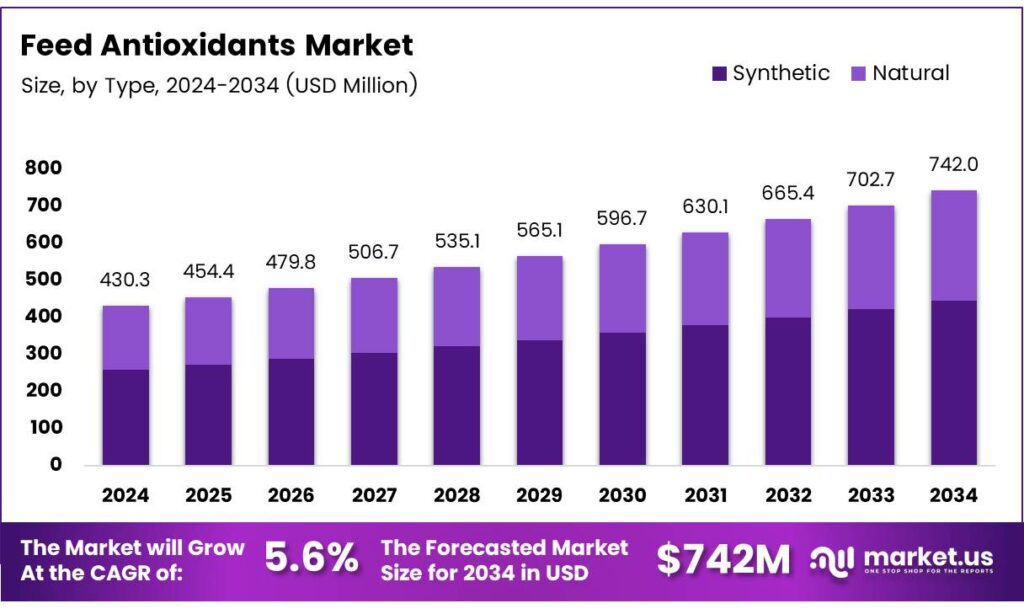
Drivers
Rising Demand for Quality Animal Nutrition Drives Feed Antioxidants Market Growth
Restraints
Concerns Over Synthetic Additives Restrain Feed Antioxidants Market Expansion
Growth Factors
Shift Toward Natural Feed Solutions Creates New Growth Opportunities
Regional Analysis
Asia Pacific Dominates the Feed Antioxidants Market with a Market Share of 43.9%, Valued at USD 188.9 Million
Key Regions and Countries
Key Players Analysis
Top Key Players in the Market
Recent Developments