

Report Overview
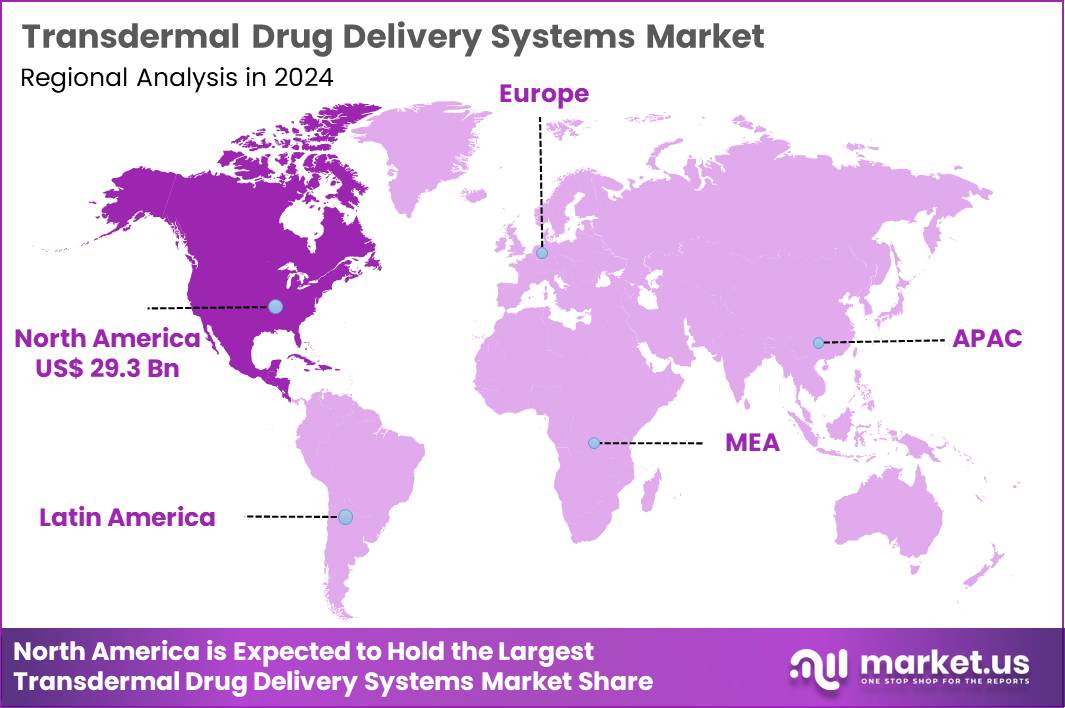
Global Transdermal Drug Delivery Systems Market size is expected to be worth around US$ 225.5 Billion by 2034 from US$ 73.9 Billion in 2024, growing at a CAGR of 11.8% during the forecast period 2025 to 2034. In 2024, North America led the market, achieving over 39.7% share with a revenue of US$ 29.3 Billion.
Increasing patient preference for non-invasive and sustained-release therapies drives the transdermal drug delivery systems market as pharmaceutical companies innovate patches that bypass gastrointestinal degradation and improve compliance. Clinicians increasingly prescribe fentanyl transdermal patches for chronic pain management in cancer and arthritis patients, delivering consistent opioid levels over days to minimize breakthrough discomfort.
These systems support hormone replacement therapy through estradiol patches, regulating menopausal symptoms like hot flashes and bone density loss with steady dermal absorption. Dermatologists utilize nicotine replacement patches for smoking cessation, providing controlled nicotine doses to curb withdrawal symptoms and promote long-term abstinence.
North America is leading the Transdermal Drug Delivery Systems Market North America commands a 39.7% share of the global transdermal drug delivery systems market, demonstrating sustained expansion in 2024 through heightened preference for non-invasive administration methods amid rising chronic disease prevalence. Advancements in patch technologies, including microneedle arrays and iontophoresis, have improved drug permeation and patient adherence for conditions such as pain management and neurological disorders. Leading pharmaceutical entities in the United States have prioritized these systems to minimize gastrointestinal side effects associated with oral formulations. Regulatory pathways from the FDA have facilitated approvals of novel patches, enhancing commercial viability and market penetration. Collaborative initiatives between industry and academic institutions have accelerated innovation in sustained-release mechanisms tailored to geriatric populations. Increased focus on opioid-sparing alternatives has driven adoption in pain therapeutics, addressing public health concerns over dependency. Robust healthcare infrastructure supports widespread clinical integration and reimbursement for these delivery platforms. In 2022, the FDA approved the Adlarity donepezil transdermal system for Alzheimer’s disease treatment, enabling consistent weekly dosing and reduced gastrointestinal adverse effects. The Asia Pacific region is expected to experience the highest CAGR during the forecast period Manufacturers and research entities actively expand operations in the Asia Pacific region for advanced skin-based drug administration during the forecast period, capitalizing on surging demand for convenient therapies in populous markets. China, India, and Japan invest heavily in pharmaceutical innovation to combat growing incidences of diabetes, cardiovascular ailments, and pain-related conditions. Local firms develop cost-effective patches and collaborate with global partners to localize production and reduce dependency on imports. Rising healthcare expenditures and policy emphasis on domestic biotechnology strengthen infrastructure for clinical trials and manufacturing. Researchers integrate nanotechnology to overcome skin barrier challenges, broadening applicability across therapeutic categories. Pharmaceutical companies prioritize these platforms in drug pipelines to improve compliance among aging demographics. Government initiatives promote research in novel delivery technologies, fostering ecosystem growth. In 2023, India’s government launched the Promotion of Research and Innovation in Pharma MedTech (PRIP) scheme to support biotechnology and medtech advancements, including innovative drug delivery approaches. North America Europe Asia Pacific Latin America Middle East & Africa Key players in the Transdermal Drug Delivery Systems market drive growth by advancing patch technologies that deliver consistent dosing, reduce gastrointestinal side effects, and improve adherence in chronic therapies. Companies expand adoption by optimizing adhesives, wear comfort, and skin compatibility to support long-duration use across diverse patient populations. Commercial strategies emphasize lifecycle management through reformulated patches and differentiated delivery profiles that extend product value beyond oral alternatives. Innovation priorities include microneedle-enhanced platforms and permeation technologies that broaden the range of drugs suitable for transdermal administration. Market expansion targets regions with strong outpatient care models and rising demand for convenient, non-invasive drug delivery. Hisamitsu Pharmaceutical operates as a key participant with deep expertise in patch-based therapeutics, strong manufacturing capability, and global commercialization experience that supports sustained growth in transdermal therapy solutions.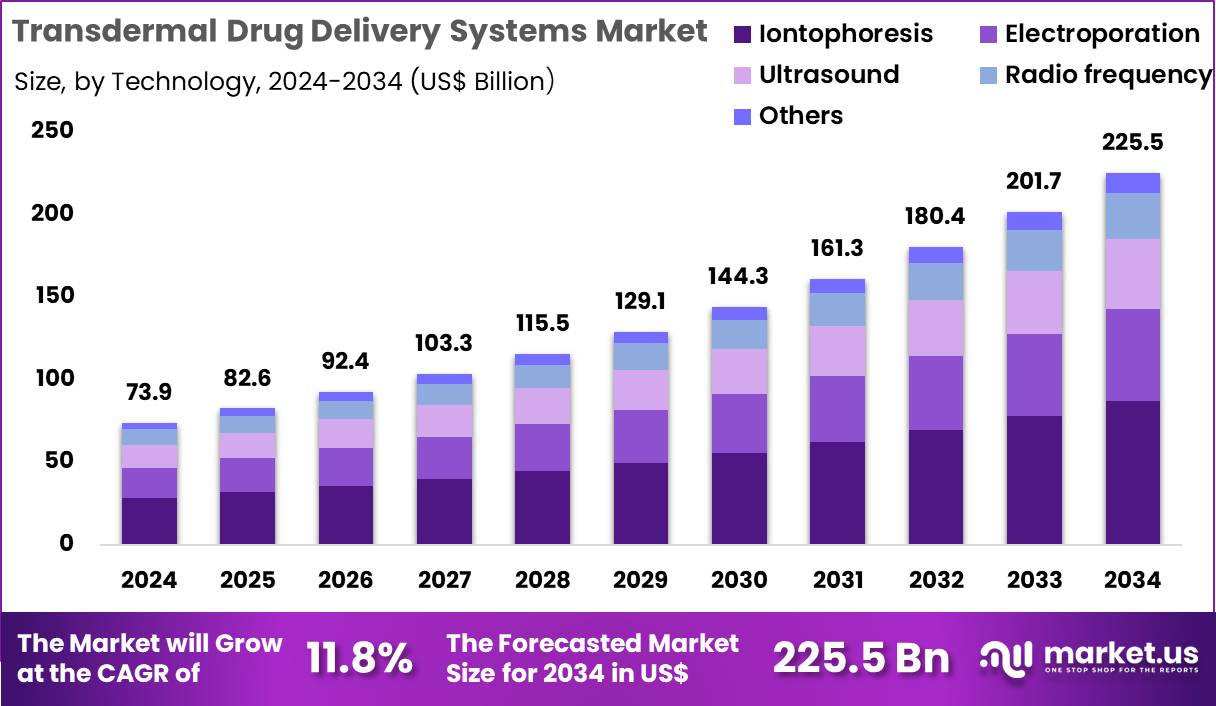
Regional Analysis
Key Regions and Countries
Key Players Analysis
Top Key Players
Recent Developments