


Report Overview
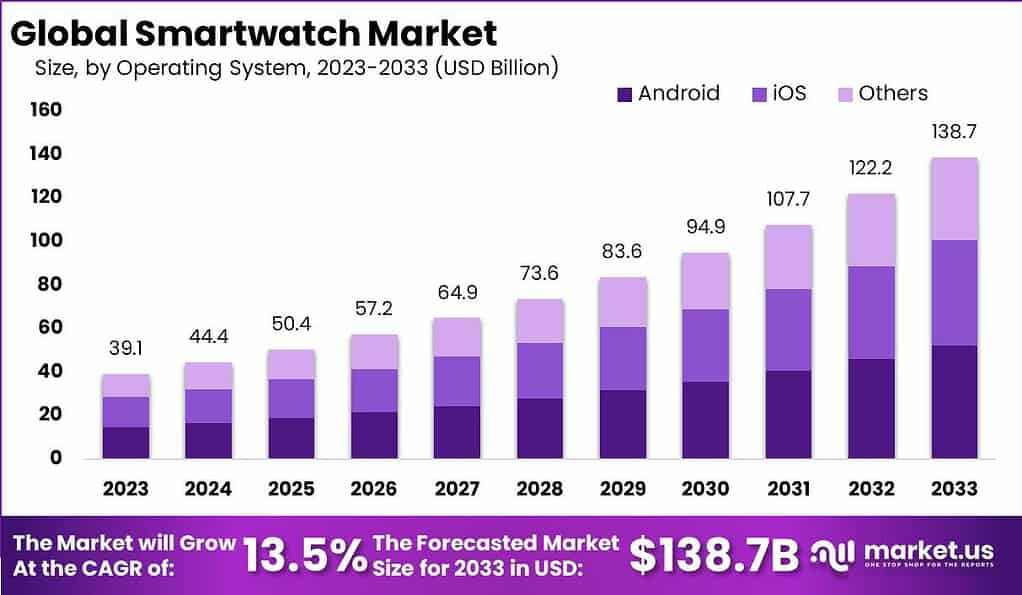
The Global Smartwatch Market size is expected to be worth around USD 138.7 Billion by 2033, from USD 39.1 Billion in 2023, growing at a CAGR of 13.5% during the forecast period from 2024 to 2033.
A smartwatch is a wearable device that combines the functionality of a traditional wristwatch with features and capabilities of a smartphone. It is designed to be worn on the wrist and offers various functionalities such as timekeeping, fitness tracking, message notifications, and app integration.
The smartwatch market has experienced remarkable growth and transformation in recent years, propelled by a combination of various factors. Technological advancements, changing consumer preferences, and the increasing focus on health and fitness have all contributed to the expansion of this market. However, along with the growth, the smartwatch industry has also encountered certain challenges that have influenced its trajectory.
Advancements in technology have been a significant growth factor for the smartwatch market. With improvements in processors, battery life, and miniaturized sensors, manufacturers have been able to develop smartwatches with enhanced capabilities. These devices now offer a wide range of features, including heart rate monitoring, GPS tracking, activity tracking, and even advanced health monitoring.
The integration of such advanced sensors has expanded the potential use cases for smartwatches, attracting consumers from various demographics and increasing their appeal. Despite the significant growth, the smartwatch market faces various challenges that impact its expansion. One of the primary challenges is the dependence on smartphone connectivity.
Most smartwatches rely on a connection to a smartphone to access certain functionalities, limiting their independence and usability. However, efforts are being made to develop standalone smartwatches with built-in cellular connectivity, allowing users to make calls and access apps without the need for a smartphone.
Smartwatches have become an essential part of our technologically-driven lives, with approximately 24.31 million users worldwide as of 2024. Age-wise, users aged 35-54 constitute around 30% of smartwatch owners, indicating a significant interest in wearable technology within this age group.
Furthermore, individuals aged 55 and above comprise approximately 15% of smartwatch users, suggesting a growing trend of older individuals embracing smartwatches. Younger users, specifically those aged 18-24, tend to utilize smartwatches primarily for fitness tracking and health monitoring purposes. Regarding gender, approximately 35% of smartwatch owners are male, while around 28% are female, showcasing a slightly higher ownership rate among males.
China currently dominates the global smartwatch market, accounting for a substantial 60% share of all cellular smartwatches. This showcases the country’s strong presence and influence within the industry. In the United States, smartwatch purchases have more than doubled since 2016, indicating a rising popularity and adoption of these devices. Presently, approximately 26% of American households have access to a smartwatch, highlighting the increasing penetration of this technology.
Key Takeaways
- The smartwatch market is estimated to reach a substantial value of USD 138.7 billion by 2033, exhibiting a robust Compound Annual Growth Rate (CAGR) of 13.5% from 2024 to 2033.
- Android-based smartwatches held a dominant market position in 2023, capturing over 37.7% of the market share. The popularity of Android smartphones globally has fostered a natural preference for Android-compatible smartwatches among consumers.
- OLED displays dominated the smartwatch market in 2023, capturing over 88.5% of the market share. The advanced features offered by OLED technology, including superior color reproduction and energy efficiency, have significantly contributed to its popularity among consumers.
- The Communication segment led the smartwatch market in 2023, accounting for over 35.0% of the market share. Smartwatches equipped with communication features such as calls, messages, and social media notifications have become indispensable tools for real-time communication.
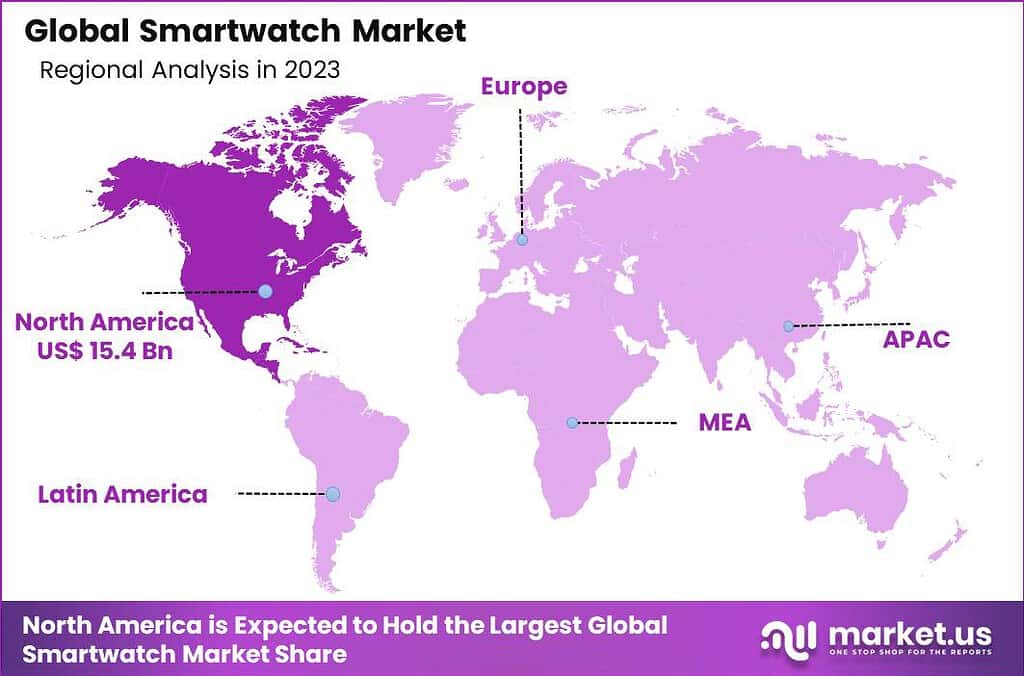
- North America dominated the smartwatch market in 2023, capturing over 39.4% of the market share. Factors such as high smartphone penetration, advanced technological infrastructure, and increasing consumer awareness regarding health and fitness contributed to this dominance.
Five Popular Smartwatch Apps
- ParKing: This convenient app helps you remember where you parked your car. Simply tap the car icon on your smartwatch to log the location. When it’s time to find your car, you can easily view its exact location on Google Maps.
- Google Keep (Keep Notes): A lightweight note-taking app available on various devices, including smartwatches. Jot down quick notes on the go, and they will sync to the cloud for easy access from your other devices.
- AccuWeather: Stay informed about the weather with accurate forecasts tailored for small displays. This companion app provides detailed forecast information, making it a reliable tool for your smartwatch.
- Spotify: Take control of your favorite music directly from your wrist while working out or on the move. Keep the tunes playing and stay motivated throughout your day.
- Google Fit: Keep track of your health and fitness progress by monitoring your Heart Points and Steps goals. This app is ideal for staying active and maintaining a healthy lifestyle.
Operating System Analysis
In 2023, the Android segment held a dominant market position within the smartwatch market, capturing more than a 37.7% share. This significant market share can be attributed to the widespread adoption of Android smartphones globally, which fosters a natural preference for Android-compatible smartwatches among consumers.
The Android platform, known for its open-source nature, offers a high degree of customization and flexibility, allowing manufacturers to tailor their devices to a wide range of consumer preferences and price points. Furthermore, the collaboration between Google and a diverse array of hardware manufacturers has resulted in a broad spectrum of Android smartwatches, catering to various consumer needs and budgets. This diversity in product offerings has significantly contributed to the platform’s substantial market share.
The leading position of the Android segment in the smartwatch market is further reinforced by its robust ecosystem of apps and services. Google’s Play Store boasts an extensive collection of applications specifically designed for wearables, enhancing the functionality of Android smartwatches beyond mere timekeeping. These apps cover a wide array of functionalities, from health and fitness tracking to productivity and entertainment, making Android smartwatches highly versatile and appealing to a broad audience.
Moreover, the integration of Google’s services, such as Google Assistant, Google Maps, and Gmail, provides a seamless user experience, encouraging further adoption. The continuous innovation in technology and software by Google and its partners ensures that Android smartwatches remain at the forefront of the market, offering features that cater to the evolving needs of consumers.
Display Type Analysis
In 2023, the OLED segment held a dominant position in the smartwatch market, capturing more than an 88.5% share. This significant market share can be attributed to the advanced features offered by OLED technology, which includes superior color reproduction, better contrast ratios, and faster refresh rates compared to LCD displays.
The appeal of OLED displays is further enhanced by their ability to produce true blacks and more vivid colors, which significantly improves the user experience. Moreover, OLED displays are thinner and more flexible, allowing for more innovative smartwatch designs. These advantages have contributed to the increasing consumer preference for smartwatches with OLED displays, driving the segment’s growth.
In January 2023, the Garmin Approach unveiled the S70 smartwatch, specifically designed for avid golfers. This golf-focused timepiece features an impressive OLED display and comes in two sizes, 42mm and 47mm, making it the premium upgrade to the popular Approach S62 model.
The leadership of the OLED segment in the smartwatch market is also supported by the technology’s energy efficiency. OLED screens only light up the required pixels for displaying images, which conserves battery life – a critical factor for smartwatch users. This efficiency is paramount in a market where extended battery life remains a significant selling point.
Furthermore, the adoption of OLED technology by leading smartwatch manufacturers has been instrumental in establishing its market dominance. As these manufacturers continue to innovate and invest in OLED technology, the segment is expected to maintain its leading position. This investment is reflected in the development of new OLED technologies such as AMOLED (Active Matrix OLED), which offers even greater efficiency and flexibility, potentially opening up new application areas.
Application Analysis
In 2023, the Communication segment held a dominant position within the smartwatch market, capturing more than a 35.0% share. This significant market share can be attributed to the increasing demand for seamless and efficient communication solutions among consumers.
Smartwatches, equipped with features such as calls, messages, emails, and social media notifications, have become indispensable tools for real-time communication. The integration of voice commands and contactless payment options further enhances the utility of these devices, making them a preferred choice for consumers seeking convenience in their daily interactions.
The lead of the Communication segment is further bolstered by the continual advancements in technology and connectivity. With the integration of 5G and improved Bluetooth capabilities, smartwatches offer faster and more reliable communication options.
In September 2023, Samsung Electronics and the University of Michigan Exercise & Sport Science Initiative (ESSI) joined forces for a research collaboration focused on exploring the capabilities of smartwatch technology in supporting runners’ health and physical activity management. This partnership aims to improve the accuracy and reliability of data provided by smartwatches, ultimately assisting runners in their efforts to enhance their overall well-being and fitness levels
Additionally, the evolution of user interfaces and customization options has made smartwatches more user-friendly, thereby attracting a wider consumer base. The expansion of these devices into emerging markets, coupled with their increasing affordability, has also played a pivotal role in solidifying the segment’s leading position in the smartwatch market.
Furthermore, the role of smartwatches in facilitating communication has been instrumental in their adoption across various professional settings. From healthcare professionals requiring timely alerts to business executives managing their schedules, the communication features of smartwatches have proven to be invaluable.
Key Market Segments
Operating System
- Android
- ios
- Others
Display Type
- LCD
- OLED
Application
- Communication
- Fitness and Sports
- Health Monitoring
- Others
Driver
Technological Advancements in Display Technology
The continuous technological advancements in display technology represent a significant driver for the smartwatch market. Innovations such as improved battery life, higher resolution displays, and the development of more energy-efficient and flexible OLED panels have greatly enhanced the appeal of smartwatches.
These advancements not only improve the user experience by offering brighter, more vibrant displays and longer usage times but also allow manufacturers to design sleeker, more attractive smartwatches. As technology evolves, the integration of features like touch sensitivity, anti-reflective coatings, and improved outdoor visibility further drive consumer demand, making smartwatches an increasingly indispensable accessory for a broad range of users.
Restraint
High Manufacturing Cost
One of the main restraints facing the smartwatch market is the high manufacturing cost, especially for models equipped with advanced display technologies like OLED. The production of OLED displays involves complex processes and expensive materials, leading to higher prices for the end consumer. This cost factor can limit market penetration, particularly in emerging economies where consumers are more price-sensitive.
Additionally, the need for continuous innovation in display technology to stay competitive further escalates production costs, challenging manufacturers to balance between cutting-edge features and affordability. This restraint can significantly impact market growth, as potential buyers may opt for lower-cost alternatives or delay purchases.
Opportunity
Integration with Healthcare Applications
The integration of smartwatches with healthcare applications presents a significant opportunity for market growth. As health consciousness rises globally, consumers are increasingly seeking devices that offer health monitoring features such as heart rate tracking, blood oxygen levels, and sleep analysis. Smartwatches equipped with advanced sensors and capable of providing real-time health data can tap into this growing demand.
Moreover, the ongoing pandemic has heightened awareness and acceptance of wearable health technology, further opening up opportunities for smartwatch manufacturers. This trend not only expands the market potential but also encourages collaborations between tech companies and healthcare providers, fostering innovation and development of new health-focused applications and features.
Challenge
Battery Life Limitations
Despite technological advancements, battery life remains a significant challenge for the smartwatch market. The integration of advanced features such as GPS, cellular connectivity, and high-resolution displays significantly drains battery power, requiring frequent recharges that can deter potential users.
The challenge is compounded by consumer expectations for smartwatches to serve not only as fitness trackers and notification tools but also as fashion accessories. This necessitates a delicate balance between functionality, display quality, and battery efficiency.
Manufacturers are thus faced with the task of innovating energy-saving technologies and optimizing software to extend battery life, a critical factor for maintaining and expanding market share in a competitive landscape
Emerging Trends
- Wearable Payment Systems: The integration of contactless payment technology in smartwatches is becoming increasingly popular, offering users a convenient and secure method to make transactions.
- Customization and Personalization: Consumers are seeking smartwatches that offer customization options, from interchangeable straps to customizable watch faces, reflecting their personal style and preferences.
- Advanced Health Monitoring: There is a growing emphasis on advanced health features in smartwatches, such as stress tracking, blood oxygen monitoring, and even ECG functions, catering to the health-conscious consumer.
- Enhanced Connectivity: The adoption of 5G technology in smartwatches is anticipated to improve connectivity, allowing for faster data transfer and enhanced communication features.
- Sustainability Focus: Eco-friendly materials and sustainable production processes are becoming more prominent in the smartwatch industry, resonating with environmentally conscious consumers.
Regional Analysis
In 2023, North America held a dominant market position in the smartwatch industry, capturing more than a 39.4% share. This prominence can be attributed to several factors, including the high penetration of smartphones, the presence of key smartwatch manufacturers, and the increasing consumer awareness regarding health and fitness.
The region’s advanced technological infrastructure, coupled with a high disposable income among consumers, has facilitated the rapid adoption of smartwatches. The United States, being a significant contributor to this market, showcases a robust demand driven by the tech-savvy population’s inclination towards the latest wearable technologies.
The demand for Smartwatch in North America was valued at USD 15.4 billion in 2023 and is anticipated to grow significantly in the forecast period. The growth of the smartwatch market in North America is further bolstered by the extensive R&D activities undertaken by leading players aiming to introduce innovative features and functionalities. These advancements encompass health monitoring, contactless payment, and integration with other smart devices, which have significantly appealed to the consumer’s lifestyle and convenience needs.
Furthermore, the presence of a comprehensive ecosystem, including app developers and accessory manufacturers, has enriched the user experience, thereby sustaining the market growth. Turning towards Europe, the region exhibits a strong growth trajectory in the smartwatch market, driven by increasing health consciousness and the rising demand for wearable fitness devices.
Europe’s market growth is characterized by the integration of smartwatches into the healthcare system, enabling remote patient monitoring and personalized healthcare solutions. The adoption of smartwatches in Europe is also propelled by the trend of digitalization in various sectors, including retail, fitness, and healthcare, coupled with the support of regulatory bodies promoting the use of smart technologies for improved lifestyle and health outcomes.
Key Regions and Countries Covered in this Report:
- North America
- The US
- Canada
- Europe
- Germany
- France
- The UK
- Spain
- Italy
- Russia
- Netherland
- Rest of Europe
- APAC
- China
- Japan
- South Korea
- India
- Australia
- New Zealand
- Singapore
- Thailand
- Vietnam
- Rest of APAC
- Latin America
- Brazil
- Mexico
- Rest of Latin America
- Middle East & Africa
- South Africa
- Saudi Arabia
- UAE
- Rest of MEA
Key Players Analysis
The analysis of key players in the smartwatch market provides insight into the competitive landscape, strategic initiatives, and market share held by leading companies. This segment is characterized by intense competition, innovation, and frequent launches of new products. The major players typically include technology giants and established watch manufacturers, each bringing its strengths, technological advancements, and customer base to the field.
Top Market Leaders
- Apple Inc.
- Google LLC
- Samsung Electronics Co. Ltd.
- Huawei Technologies Co. Ltd.
- Xiaomi Corporation
- Fossil Group Inc.
- Garmin Ltd.
- Sony Corporation
- OnePlus Technology Co. Ltd.
- Mobvoi Inc.
- Amazfit
- Suunto Oy
- Other Key Players
Recent Developments
- In July 2023, Samsung Electronics Co., Ltd. made a significant stride in the smartwatch sector with the introduction of the latest Galaxy Watch6 and Galaxy Watch6 Classic. These watches showcased advancements in health monitoring, design modifications, and an improved mobile experience. The launch proved to be a significant development in the market, attracting attention from tech enthusiasts and consumers alike.
- In June 2023, Apple made waves in the smartwatch industry with the launch of watchOS 10. This updated smartwatch operating system brought forth several noteworthy features, including the Smart Stack, additional watch faces, and specialized functions for cycling and hiking. The redesigned applications and inclusion of mental health tools further enhanced the user experience, making it a compelling choice for Apple enthusiasts.
- May 2023 witnessed Garmin’s introduction of the Epix Pro Series smartwatches. These watches stood out in the market with their AMOLED crystal-clear display, remarkable battery life of up to 31 days, and comprehensive health and fitness monitoring features. Additionally, the built-in illumination LED incorporated in three distinct watch designs added to their appeal and functionality.









