


Report Overview
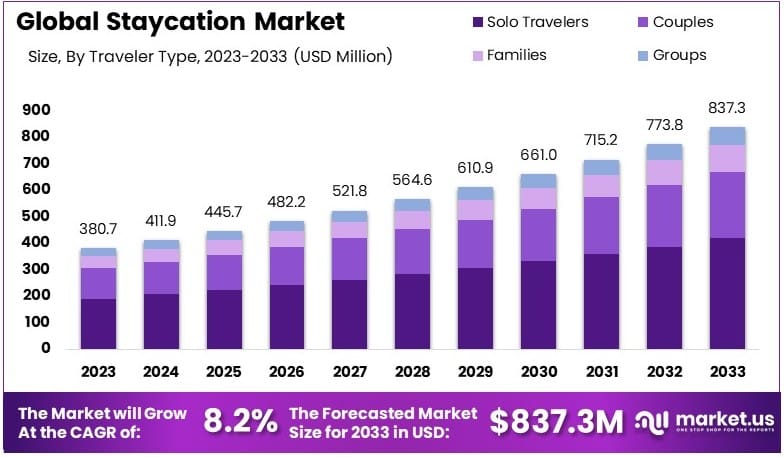
The Global Staycation Market size is expected to be worth around USD 837.3 Million by 2033, from USD 380.7 Million in 2023, growing at a CAGR of 8.2% during the forecast period from 2024 to 2033.
A staycation is a form of vacation where individuals or families enjoy leisure activities close to home rather than traveling far. This option allows people to relax and explore local attractions, providing a break without the costs or planning typically involved in traditional travel. Staycations are particularly appealing for quick, convenient getaways.
The staycation market includes services and experiences that cater to local tourism. This market benefits from people’s growing interest in exploring local destinations, often driven by budget-friendly or time-efficient preferences. Hotels, recreational facilities, and tourism services adapt their offerings to attract those seeking refreshing experiences nearby.
The staycation trend has grown significantly, fueled by the rise of remote work and a desire for sustainable travel. A 2022 Buffer study found that 97% of remote workers would recommend remote work, aligning with the increased flexibility that allows more people to take short, local breaks. Furthermore, 76% of respondents in a Booking.com report expressed a preference for sustainable tourism, which aligns with choosing nearby destinations over long-distance trips.
Growing demand for staycations offers substantial opportunities for local businesses, including hotels and restaurants. Many establishments have adapted their services, providing unique experiences aimed at local visitors. This trend highlights the potential for small businesses to expand their customer base, particularly in regions with scenic landscapes, cultural events, or other local attractions that can create memorable experiences.
On a broader scale, the staycation market promotes sustainability by reducing travel-related carbon emissions. With more people opting to stay local, the environmental impact of travel diminishes, supporting wider sustainability goals. This shift has also prompted many businesses to promote eco-friendly practices, further attracting consumers interested in low-impact travel options.
Locally, the staycation market has stimulated economic growth by keeping tourism spending within communities. Small towns and urban centers alike are benefiting from increased local spending as residents explore amenities close to home. As this trend gains traction, the economic impact on local businesses continues to grow, enhancing community support and engagement.
Key Takeaways
- The Staycation Market was valued at USD 380.7 million in 2023 and is expected to grow to USD 837.3 million by 2033, with a CAGR of 8.2%.
- In 2023, the 26 to 35 years age group is dominant, indicating a high interest among young adults.
- In 2023, Independent Travelers dominate the tour type, highlighting a preference for flexible and personalized experiences.
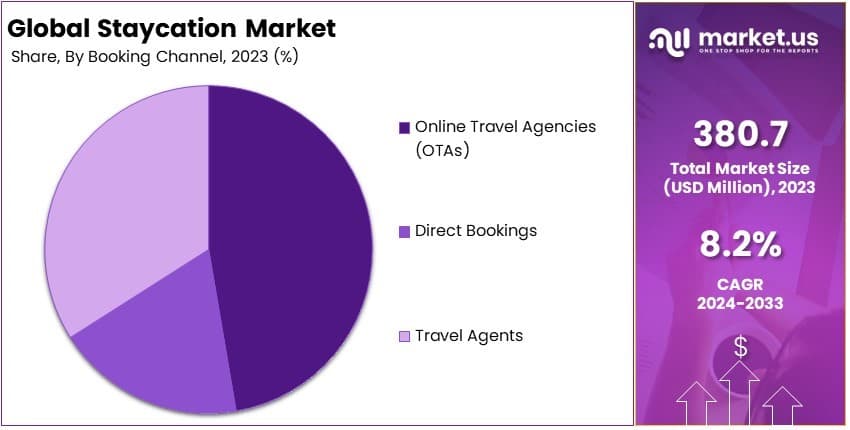
- In 2023, Online Booking Channels lead the booking segment, driven by convenience and accessibility.
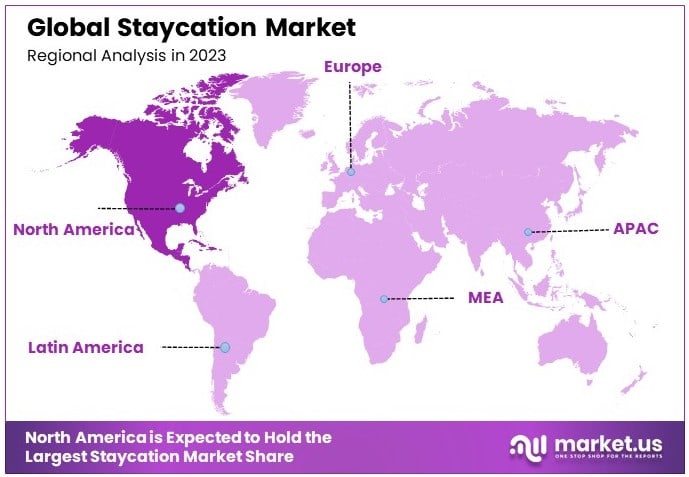
- In 2023, North America holds a significant regional share, reflecting the trend of local travel and leisure.
Accommodation Type Analysis
Cottage Rentals Dominate Due to Their Privacy and Comfort
In the “Accommodation Type” segment of the Staycation Market, Cottage Rentals lead, offering a blend of privacy, comfort, and the feeling of a home-away-from-home that many staycationers seek. This dominance is driven by the desire for secluded, tranquil settings where families and groups can relax without the formalities and bustling environment of traditional hotel stays.
Cottage rentals often provide unique, personalized experiences that cannot be easily replicated in more commercial settings, making them particularly appealing to those looking for a quiet getaway.
Farm Stays provide an authentic experience that connects guests with rural life, offering activities like farming and horse riding, which are especially popular among families looking for educational vacations.
Eco-Lodges attract those interested in sustainability and nature, offering eco-friendly accommodations that minimize environmental impact and provide naturalistic experiences. Homestays are crucial for travelers seeking cultural immersion, allowing guests to live with local hosts and experience the local lifestyle firsthand, which enhances cultural exchange and provides deeper community connections.
Traveler Type Analysis
Families Lead as They Seek Shared Experiences and Bonding Opportunities
Families are the dominant sub-segment in the “Traveler Type” category, driven by the desire for shared experiences and opportunities to bond in a relaxed setting. Staycations offer families the convenience of short travel times and the comfort of familiar environments, which is especially important when traveling with children or extended family members.
These vacations often focus on leisure activities that can be enjoyed together, such as visiting local attractions, enjoying nature, or simply relaxing in a new environment.
Solo Travelers look for personalized and reflective experiences, making choices based on personal interests and relaxation needs. Couples often choose staycations for romantic getaways or to celebrate special occasions in a setting that offers both privacy and luxury without the need for extensive travel.
Groups, including friends or organizational teams, opt for staycations that cater to group activities and foster team-building in a fun, stress-free environment.
Age Group Analysis
26 to 35 Years Lead with a Focus on Adventure and Value
The “Age Group” segment is significantly led by individuals aged 26 to 35 years, who often seek a combination of adventure, relaxation, and value for money in their travel choices. This age group is typically characterized by a desire to explore new experiences while also managing budgets.
This makes staycations an appealing option. They often look for packages that offer a mix of activities, including outdoor adventures, spa days, and cultural excursions, tailored to their dynamic preferences.
The below 15 years group is catered to with family-oriented activities and destinations that are safe and engaging for children. The 16 to 25 years age group looks for affordable, vibrant, and social environments, often influenced by social media trends and peer recommendations.
Those aged 36 to 45 and 46 to 55 years prioritize comfort, wellness tourism, and relaxation, seeking staycations that provide a break from the daily routine without the hassle of long-distance travel. The above 55 years group often seeks comfort and accessibility, preferring relaxing and rejuvenating experiences that are physically manageable and close to healthcare facilities.
Booking Channel Analysis
Online Travel Agencies (OTAs) Dominate Due to Convenience and Wide Choices
In the “Booking Channel” segment, Online Travel Agencies (OTAs) dominate the market, accounting for a significant share due to their convenience, competitive pricing, and wide array of options.
OTAs simplify the booking process by allowing users to compare prices, read customer reviews, and book accommodations and activities all in one place. This ease of use and the ability to tailor travel packages extensively appeal to a broad range of consumers, particularly those who value simplicity and efficiency in planning their vacations.
Direct Bookings are favored by travelers seeking a more personalized booking experience or specific requests that require direct interaction with the service provider. Travel Agents remain relevant for those who prefer a human touch in planning travel, offering personalized advice and handling complex itineraries that might be overwhelming to manage independently.
These traditional channels complement the digital experience by providing expertise and reassurance, particularly for less tech-savvy travelers or more complicated travel arrangements.
Key Market Segments
By Accommodation Type
- Farm Stays
- Cottage Rentals
- Eco-Lodges
- Homestays
By Traveler Type
- Solo Travelers
- Couples
- Families
- Groups
By Age Group
- Below 15 Years
- 16 to 25 Years
- 26 to 35 Years
- 36 to 45 Years
- 46 to 55 Years
- Above 55 Years
By Booking Channel
- Online Travel Agencies (OTAs)
- Direct Bookings
- Travel Agents
Drivers
Increased Remote Work Drives Market Growth
As more companies adopt flexible work policies, employees are finding they have the opportunity to enjoy leisure activities in their local areas rather than traveling far. This shift has led to increased demand for local travel and accommodation options, allowing people to relax and recharge without the need for extensive travel.
Furthermore, the economic impact of remote work has made staycations a more attractive option for many. With the cost savings from not commuting, individuals are reallocating funds to enhance their local experiences, boosting local economies and supporting small businesses in the hospitality and leisure sectors.
Additionally, the rise of digital platforms has made it easier for consumers to plan and book staycations. These platforms offer a wide range of options, from booking unique accommodations to discovering local attractions, all at the touch of a button.
Moreover, health and safety concerns, particularly highlighted during the COVID-19 pandemic, have played a crucial role. Many people prefer staycations as they perceive them as safer alternatives to international travel, further propelling market growth.
Restraints
Economic Fluctuations Restrain Market Growth
When economic conditions weaken, households typically cut back on discretionary spending, including travel and leisure activities. This restraint is particularly impactful for the staycation market as consumers prioritize essential expenses over local getaways.
Additionally, competition from international travel destinations can also limit the growth of the staycation market. As global travel becomes more accessible and affordable, the allure of exotic locations can overshadow the appeal of local attractions.
Infrastructure limitations further restrain market expansion. Inadequate transportation, insufficient accommodations, or lack of well-developed tourist attractions can deter potential staycationers.
Moreover, limited marketing efforts and awareness can also stifle market growth. If potential customers are unaware of the attractions and services available in their vicinity, they are less likely to consider a staycation as a viable leisure option.
Opportunity
Technological Advancements Provide Opportunities
The rise of technology significantly amplifies opportunities within the staycation market, catering to an evolving consumer base that values convenience and innovation. The integration of virtual reality (VR) and augmented reality (AR) into local travel experiences transforms traditional sightseeing into interactive, engaging activities.
Moreover, mobile applications streamline the booking and planning processes for staycations, offering users seamless options to customize their local holidays with just a few clicks. These apps enable consumers to access real-time information on local attractions, read reviews, and even receive personalized recommendations based on their preferences and past behaviors.
In addition to digital convenience, sustainability trends also create substantial opportunities in the staycation market. As environmental awareness grows, more travelers are opting for destinations that promote eco-friendly practices.
Furthermore, partnerships between local businesses and staycation platforms can foster a collaborative environment that enhances the overall value proposition offered to customers. For instance, exclusive deals and packages that combine dining, entertainment, and relaxation specifically tailored for local tourists can generate significant interest and drive bookings.
Challenges
Limited Local Attractions Challenge Market Growth
When areas fail to offer a variety of engaging activities, they struggle to attract repeat visitors and extend the stay duration of tourists. This issue is exacerbated in smaller or less developed regions where tourism infrastructure is not well-established. The absence of appealing local attractions not only reduces the area’s attractiveness but also impacts the overall economic benefit that tourism can bring to the community.
Another challenge is the perception of value associated with staycations. Many consumers view local travel as less exciting or rewarding compared to international trips. This perception can lead to decreased interest in staycation options, as potential tourists opt for travel experiences that seem more exotic and fulfilling.
Weather dependency also restricts the staycation market’s growth. In regions where weather conditions are unpredictable or generally unfavorable, planning local getaways becomes less appealing. Seasonal fluctuations can severely impact areas heavily reliant on outdoor activities, limiting their ability to attract visitors year-round.
Lastly, economic constraints within local populations can dampen staycation market growth. In areas with lower disposable income, residents may prioritize essential spending over leisure activities. Economic challenges often lead to reduced local spending on tourism-related services, which in turn affects the viability of staycations as a sustainable market segment.
Growth Factors
As travelers become more health-conscious, the appeal of staycations grows due to the perceived safety of staying close to home, reducing the risk associated with long-distance travel and crowded tourist destinations.
Additionally, the rise of digital connectivity plays a crucial role in facilitating the growth of the staycation market. The widespread use of smartphones and the internet allows travelers to easily discover and book local travel experiences and accommodations.
The growing trend of work-from-home arrangements also contributes to the market’s growth. As more companies adopt flexible working policies, employees find they have the flexibility to take short breaks or extend weekends for leisure activities nearby, without the need to travel far.
Economic factors such as rising travel costs also make staycations a more attractive option. With the increase in prices for international flights and accommodations, more individuals and families are choosing to spend their holidays closer to home, reducing travel expenses while still enjoying a break from their daily routines.
Emerging Trends
Sustainable Practices Are Latest Trending Factors
Sustainability has emerged as a key trend, significantly influencing the staycation market. Consumers increasingly prefer eco-friendly and sustainable travel options. This shift drives demand for green accommodations and activities that minimize environmental impact.
The use of technology in enhancing local travel experiences is another significant trend. Mobile apps and virtual tours make it easier for travelers to explore destinations from their homes or plan visits. These digital tools provide detailed information about local attractions, facilitate bookings, and offer personalized recommendations.
The trend of personalization has also taken center stage in the staycation market. Travelers seek unique, tailored experiences that cater to their interests and preferences. Providers are increasingly offering customized packages and experiences. These range from gourmet dining to adventure sports, all within local settings.
Finally, the cultural renaissance in local tourism is revitalizing the staycation market. There is a growing appreciation for local arts, crafts, and traditions. Events and festivals celebrating local heritage attract both residents and visitors, enriching the staycation experience. This cultural focus not only supports local artisans and performers but also deepens the traveler’s engagement with the destination.
Regional Analysis
North America Dominates with Major Market Share
North America is currently showing a measurable share in the Staycation Market. The concept of staycations is highly relevant, influenced by factors such as lifestyle trends and pandemic-related travel shifts. The market’s potential remains significant as regional interest continues to grow.
Several key factors contribute to North America’s latent potential in the Staycation Market. Shifts in consumer behavior, driven by rising travel costs and preferences for local experiences, support an emerging staycation culture. Major cities in the U.S. and Canada are adapting with enhanced local attractions, making short-term, local travel more appealing.
Market dynamics in North America are influenced by well-developed tourism infrastructure and diverse local experiences. Many urban centers have seen a rise in local tourism initiatives, promoting nearby destinations for relaxation and adventure. Additionally, the influence of digital platforms encourages consumers to explore local options, aligning well with staycation trends.
Regional Mentions:
- Europe: Europe sees high interest in the Staycation Market, supported by well-established tourism infrastructures and scenic local destinations. Countries like the UK and France lead in promoting local tourism as consumers increasingly seek eco-friendly and nearby vacation options.
- Asia-Pacific: Asia-Pacific is witnessing growing demand for staycations, particularly in urban centers. Dense populations and rising urban incomes drive consumers to explore local leisure experiences, aligning with government efforts to boost domestic tourism.
- Middle East & Africa: The Middle East and Africa show rising interest in staycations, especially in the Gulf region. Investment in luxury resorts and urban tourism initiatives has spurred demand for short, local breaks, appealing to residents seeking relaxation close to home.
- Latin America: Latin America is an emerging market for staycations, with demand growing as consumers explore local attractions. Economic factors and increased interest in regional travel drive staycation trends, especially in countries like Brazil and Argentina.
Key Regions and Countries covered іn thе rероrt
- North America
- US
- Canada
- Europe
- Germany
- France
- The UK
- Spain
- Italy
- Rest of Europe
- Asia Pacific
- China
- Japan
- South Korea
- India
- Australia
- Rest of APAC
- Latin America
- Brazil
- Mexico
- Rest of Latin America
- Middle East & Africa
- South Africa
- Saudi Arabia
- UAE
- Rest of MEA
Key Players Analysis
The Staycation Market is defined by top hospitality companies that capitalize on changing travel preferences, especially toward local, short-stay experiences. Key players such as Marriott International, Airbnb, Hyatt Hotels Corporation, and Hilton Worldwide Holdings dominate this market by offering flexible, unique, and luxury options that cater to travelers seeking relaxation and experiences closer to home.
Marriott International, with its extensive portfolio of hotels and resorts, leads in offering diverse staycation options. From urban hotels to scenic resorts, Marriott provides choices for a range of travelers. The company’s loyalty programs and partnerships make it a favored brand for local getaways, especially among customers seeking quality and consistency.
Airbnb, Inc. has transformed the staycation market by making unique, short-term rentals accessible. Known for its range of accommodations, from private homes to unique experiences, Airbnb appeals to travelers seeking immersive and personalized stays. Its digital platform and flexible booking options drive its popularity for local vacations, attracting customers across various demographics.
Hyatt Hotels Corporation has made significant strides in adapting its offerings for the staycation trend. Hyatt’s wide range of accommodations, from boutique hotels to luxury resorts, provides flexibility for travelers. The company’s emphasis on personalized experiences and wellness services enhances its appeal for staycations, especially among those looking for comfort and a touch of luxury.
These top players drive the staycation market by addressing changing travel patterns, focusing on local experiences, and offering diverse accommodations that meet customer needs. Their adaptability and strong brand identities position them well to capture a significant share of this evolving market.
Top Key Players in the Market
- Marriott International
- Airbnb, Inc.
- Hyatt Hotels Corporation
- Hilton Worldwide Holdings
- Accor Hotels
- Wyndham Hotels & Resorts
- InterContinental Hotels Group
- Four Seasons Hotels
- Choice Hotels International
- Booking Holdings Inc.
- OYO Rooms
- Sonder
- Vacasa
- Radisson Hotel Group
- Extended Stay America
Recent Developments
- NH Collection Dubai The Palm: In July 2023, NH Collection Dubai The Palm launched a family staycation package offering spacious suites with panoramic views of the city skyline and the Arabian Gulf. The package includes daily breakfast, complimentary high-speed Wi-Fi, a 20% dining discount at the rooftop restaurant, and free meals for children under twelve. Additional amenities include access to a Kid’s Club, an AED 50 voucher for water sports, and spa services for parents.
- Modo: In April 2024, Modo, a leading nightlife venue in Liverpool, introduced the Coco Club campaign in partnership with Southern Comfort. Inspired by party hotspots like Ibiza and Tulum, the campaign transformed the venue with tropical beach huts for six guests each. The initiative featured two new cocktail menus, with summertime cocktails and spritzes, alongside special offers available from Sunday to Thursday.
- Disney: In November 2021, Disney launched the “Mickey and Friends Stay True: Stay-Cation” campaign, encouraging fans to explore their local cities with family and friends. The campaign introduced six city guides inspired by the Sensational Six—Mickey Mouse, Minnie Mouse, Donald Duck, Daisy Duck, Goofy, and Pluto—highlighting themes such as food, arts, fashion, pets, and play.









