


Report Overview
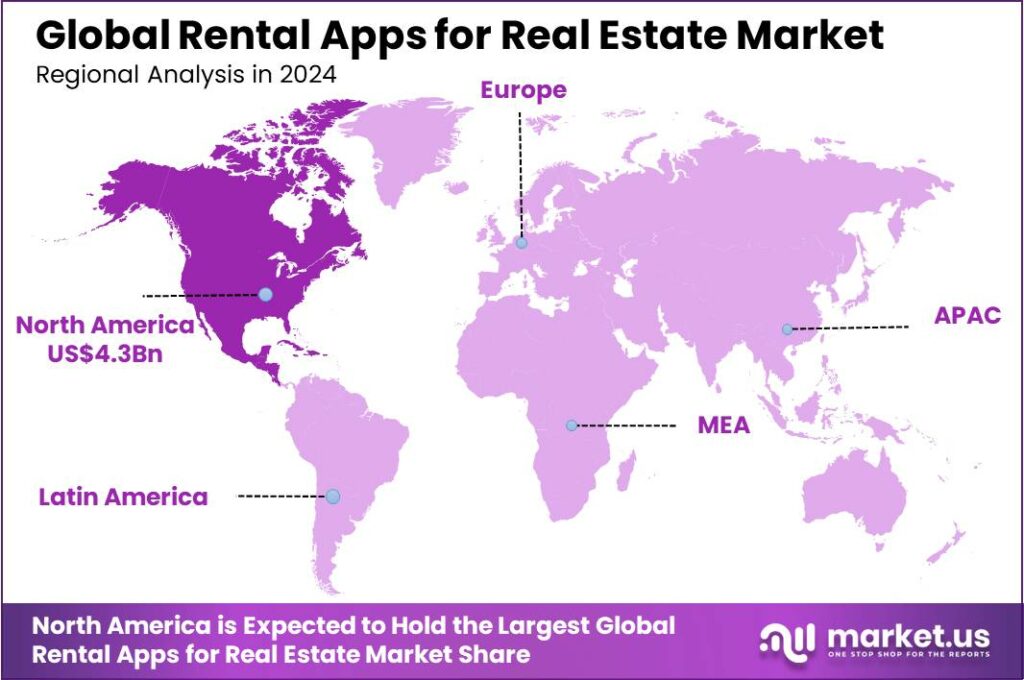
The Global Rental Apps for Real Estate Market size is expected to be worth around USD 38.4 Billion By 2034, from USD 12.03 Billion in 2024, growing at a CAGR of 12.30% during the forecast period from 2025 to 2034. In 2024, North America led the global real estate rental applications market, capturing over 36.1% of the market share, with revenues reaching approximately USD 4.3 billion.
Rental apps for real estate are digital platforms designed to streamline the process of renting residential and commercial properties. These apps serve as an intermediary between landlords, property managers, and tenants, providing tools for listing properties, scheduling viewings, managing applications, and facilitating lease agreements. It streamlines maintenance requests and rent payments, enhancing convenience and efficiency for all parties.
The market for rental apps in real estate is witnessing substantial growth, driven by the increasing demand for simplified and accessible property management solutions. As urbanization continues and the population of renters rises, the utility of rental apps becomes more pronounced. These platforms not only cater to the needs of a mobile-first generation but also support the digital transformation goals of real estate businesses aiming to optimize operational efficiencies.
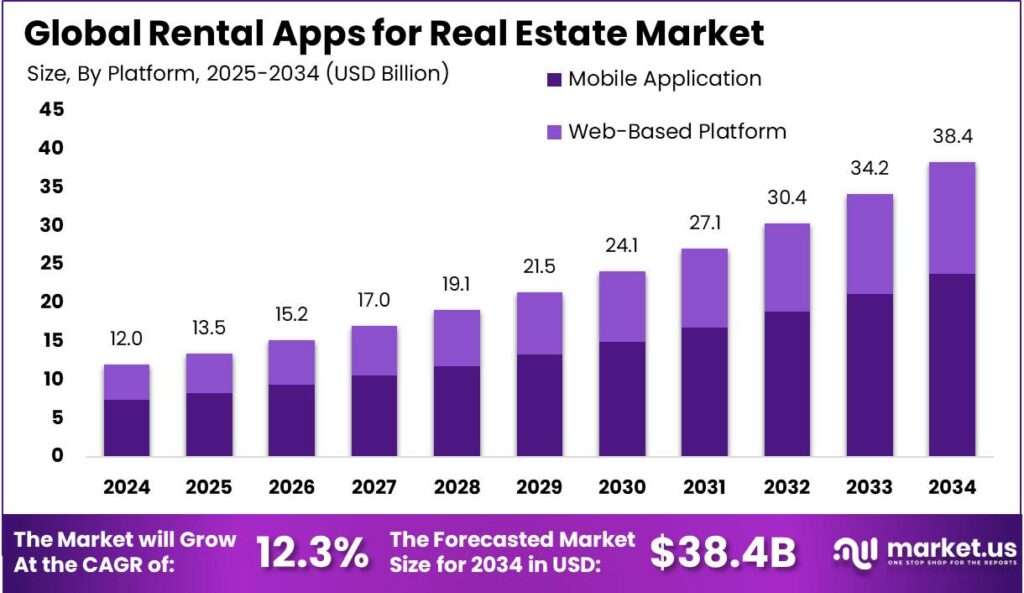
The primary drivers of the rental apps market include the growing penetration of smartphones and internet usage, the rising number of rental properties, and the shifting preferences towards digital solutions for real estate transactions. Additionally, the demand for contactless transactions, heightened by health and safety considerations due to recent global events, has further accelerated the adoption of these digital platforms.
The demand for rental apps is particularly high in densely populated urban areas where the rental market is dynamic and competitive. Tenants seek quick and easy ways to find and secure rental properties, while landlords and property managers are looking for efficient ways to advertise properties, screen potential tenants, and manage ongoing tenancy agreements.
For businesses, Real estate apps provide users with the ability to browse listings anytime, anywhere, enhancing convenience. This mobility allows agents to manage listings and communicate with clients on the go, increasing productivity. According to the Singsys report, approximately 70% of property seekers start their search online, with a significant number using mobile apps to find rentals.
Automation and data analytics provided by Rental apps lead to smoother operations, resulting in lower overall running costs for real estate businesses. According to an Aurum PropTech report, blockchain technology has the potential to reduce real estate transaction costs by up to 30%, streamlining processes while increasing speed and transparency.
Enhanced efficiency allows agents to close more deals in less time, directly impacting their earnings. Apps like Zillow and Apartments.com provide valuable market insights and trends that help property managers optimize their offerings. For example, integrating features like virtual tours has increased occupancy rates by 15% for some users.
Key Takeaways
- The Global Rental Apps for Real Estate Market size is projected to reach USD 38.4 Billion by 2034, up from USD 12.03 Billion in 2024, growing at a CAGR of 12.30% during the forecast period from 2025 to 2034.
- In 2024, the Residential segment dominated the rental apps for real estate market, holding more than 65.3% of the market share.
- The Mobile Application segment held a dominant position in 2024, capturing over 62.1% of the market share within the rental apps for real estate sector.
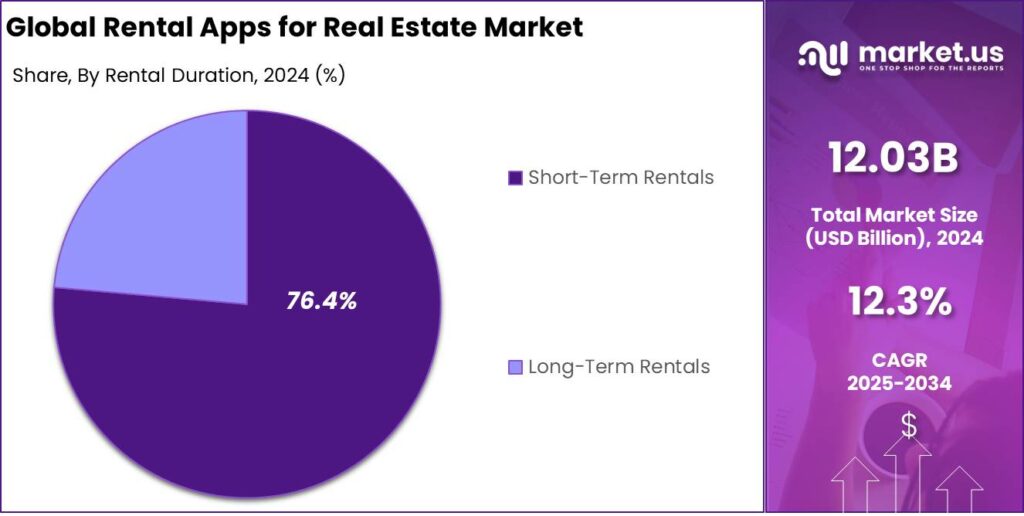
- The Short-Term Rentals segment led the real estate rental apps market in 2024, commanding a market share of over 76.4%.
- The Individual Consumers segment held a dominant share in the rental apps for real estate market in 2024, accounting for more than 75.8% of the market share.
- In 2024, North America was the leading region in the global real estate rental applications market, holding more than 36.1% of the market, with revenues amounting to approximately USD 4.3 billion.
- The U.S. market for real estate rental applications was valued at around USD 3.91 billion in 2024, and is projected to grow at a CAGR of 11.4%.
Analysts’ Viewpoint
From an investment perspective, the rental apps market presents substantial opportunities due to its expansion and the ongoing technological innovations. Investors are particularly interested in platforms that offer integrated solutions encompassing payment processing, security deposit management, and automated legal compliance checks.
Technological advancements such as the use of AI for better matching of tenants to properties and predictive analytics for pricing and market trends are key areas of focus. Additionally, the regulatory environment is becoming more favorable as governments seek to promote transparency and efficiency in the rental market. However, investors must consider the competitive landscape and the scalability of business models in this sector.
U.S. Market Size
The U.S. market for real estate rental applications was valued at approximately $3.91 billion in the year 2024. It is projected to grow at a compound annual growth rate (CAGR) of 11.4%. The robust growth in rental platforms is driven by increased reliance on digital solutions for property management and rising demand for rental housing due to urbanization.
As more people move to cities for work and education, the need for efficient, user-friendly platforms grows. These apps simplify property searches and leasing while offering tools for tenant screening, rent collection, and maintenance management.
Technological advancements and AI integration are accelerating the rental platform market. AI-driven features like virtual tours, personalized recommendations, and automated communication enhance user experiences. As the market evolves, these apps will incorporate advanced analytics to predict trends and offer insights, driving sustained growth in the sector.
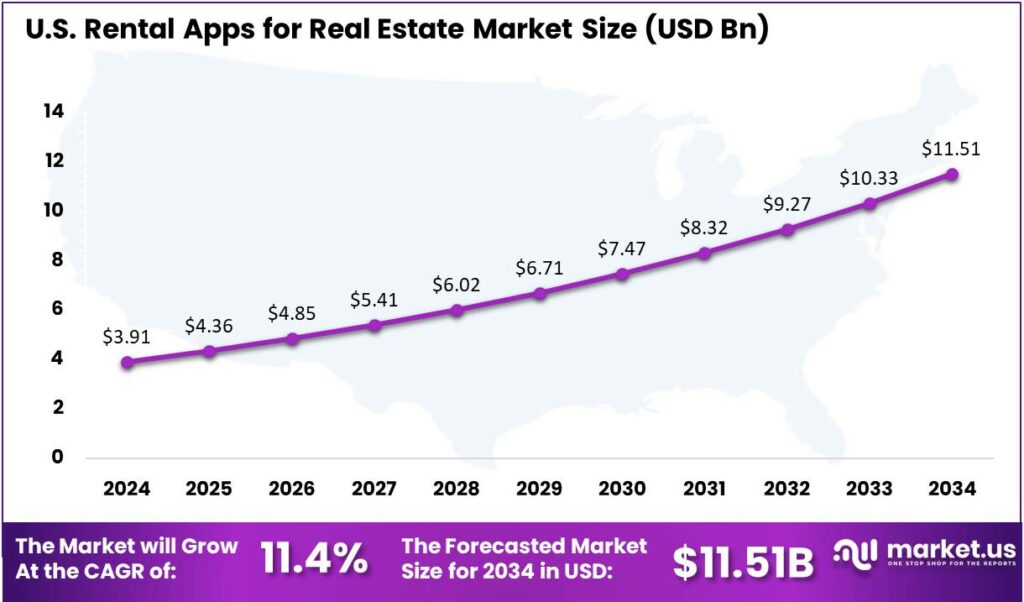
In 2024, North America held a dominant market position in the global real estate rental applications market, capturing more than a 36.1% share with revenues amounting to approximately USD 4.3 billion. This leading stance is largely due to the high rate of technological adoption and digital penetration in the region.
The growth of the North American rental market is fueled by strong digital payment infrastructure and internet connectivity, essential for rental app operations. A cultural shift among millennials and Gen Z toward renting, combined with urbanization, has increased demand for rental apps offering convenience and flexibility.
Regulatory support in North America has also fueled the growth of digital real estate solutions. Policies promoting the digital economy and initiatives streamlining the rental process through technology have encouraged innovation. For example, regulations simplifying electronic rental agreements and recognizing digital identities have made online transactions easier, boosting user experience and platform adoption.
The integration of AI, machine learning, and big data analytics has greatly enhanced the appeal of rental apps in North America. These technologies offer personalized experiences, efficient property management, and predictive market insights, placing the region at the forefront of real estate tech adoption and setting trends for other regions to follow.
Role of AI
- Property Valuation and Pricing: AI utilizes large datasets, such as historical transaction data, market trends, and property details, to deliver precise property valuations. This powerful analytics capability helps both buyers and sellers assess fair market values and streamline negotiations.
- Virtual Property Tours: AI technologies, like augmented and virtual reality, allow buyers to tour properties remotely, offering a flexible and time-saving way to explore without being physically present. Features like 360-degree virtual tours in real estate apps have led to a 25% increase in user engagement, providing interactive and immersive experiences that capture users’ attention as stated in Pitangent article.
- Fraud Detection and Risk Mitigation: By analyzing transaction data and identifying patterns, AI systems can detect anomalies that may suggest fraudulent activities. This is crucial in the real estate industry where large sums of money are often involved, thus enhancing security and trust in transactions.
- Lead Generation and Customer Engagement: AI algorithms analyze user behavior and preferences to generate and nurture leads more effectively. This includes personalized marketing that targets potential clients with properties and offers that match their interests, significantly improving conversion rates.
- Smart Contract Management: Utilizing blockchain technology, AI can automate and secure real estate transactions through smart contracts. These digital contracts execute automatically when certain predefined conditions are met, reducing the need for manual oversight and minimizing the risk of errors and fraud.
Best Real Estate Investing Apps
The landscape of real estate investment apps offers a variety of platforms, each catering to different investor needs and preferences. Below is an analysis of some of the best apps in the market, identified by their unique strengths and target user bases.
- RealtyMogul: Best Real Estate Investing App Overall – RealtyMogul stands out as the best overall real estate investing app due to its wide range of investment opportunities. It provides investors with access to both commercial and residential properties, making it a versatile option for those looking to diversify their real estate portfolio. The platform also offers robust due diligence processes and transparent operations, ensuring investor confidence.
- Fundrise: Best for Non-Accredited Investors – Fundrise is highly regarded for its accessibility to non-accredited investors, offering a low entry point to real estate investment. This app democratizes access to real estate markets previously reserved for high-net-worth individuals or institutional investors. With a user-friendly interface and diversified eREITs (electronic Real Estate Investment Trusts), Fundrise makes real estate investment attainable for beginners.
- Yieldstreet: Best for Alternative Asset Classes – Yieldstreet is recognized for its focus on alternative asset classes, including real estate. It allows investors to diversify beyond traditional stocks and bonds, providing opportunities in unique sectors such as art, marine, and legal finance. This app is ideal for those seeking to explore new investment horizons with potentially higher returns.
- Groundfloor: Best for Short-Term Real Estate Investments- Groundfloor offers a distinct niche in short-term real estate investments, allowing individuals to invest in real estate debt rather than equity. Investors can fund loans secured by real estate, which are repaid as borrowers complete their projects. This model provides quicker returns, making it suitable for investors looking for shorter investment horizons.
- EquityMultiple and CrowdStreet: Best for Accredited Investors – Both EquityMultiple and CrowdStreet cater exclusively to accredited investors, offering access to high-quality commercial real estate investments. EquityMultiple stands out for its direct investment opportunities and co-investment structure, whereas CrowdStreet is known for its wide range of projects and potential for significant returns. These platforms are designed for experienced investors seeking substantial engagements in real estate.
- DiversyFund: Best for Crowdfunding – DiversyFund makes real estate investing accessible through a crowdfunding model, where investors can start with relatively small amounts of money. This app focuses on multifamily residential properties, aiming to build wealth over time through value-added strategies. It’s an excellent choice for investors who prefer a hands-off approach but still want exposure to real estate.
- Arrived: Best for Flexible Liquidity – Arrived is unique in offering investment opportunities in single-family rental properties with a promise of flexible liquidity. This platform allows investors to buy shares in rental homes, providing regular income through rent and potential appreciation in property values. Its model is particularly attractive for those looking for less traditional, more liquid real estate investments.
Property Type Analysis
In 2024, the Residential segment held a dominant position in the rental apps for real estate market, capturing more than a 65.3% share. This substantial market share can be primarily attributed to the significant volume of transactions in the residential sector.
Apartments, villas, and other forms of residential housing consistently attract a wide range of tenants, from young professionals and students to families and expatriates. The high demand for flexible living spaces, coupled with a shift towards urbanization, drives a substantial user base to seek residential rentals via digital platforms, thus propelling the market growth.
The versatility within the Residential category, from apartments to villas, strengthens its market leadership. Apartments appeal to those seeking affordable, convenient housing, while villas attract tenants looking for spacious, luxurious options. This diversity broadens the reach of rental apps focused on residential properties.
Furthermore, technological advancements and the integration of user-friendly features in rental apps have made the residential renting process more streamlined and accessible. Features like 3D virtual tours, online lease agreements, and automated payment systems address the convenience factor that modern tenants demand, making these apps increasingly popular among residential renters.
The growth of the gig economy and remote work has shifted living preferences toward flexible, short-term rentals, especially in urban areas. Rental apps cater to this by offering a range of leasing terms, making the residential segment highly attractive. This flexibility ensures the continued dominance of the residential market, remaining a key focus for developers and investors in digital real estate.
Platform Analysis
In 2024, the Mobile Application segment held a dominant market position within the rental apps for real estate market, capturing more than a 62.1% share. This segment’s leadership is primarily attributed to the widespread adoption of smartphones and the growing preference for mobile-first solutions among consumers.
Mobile applications offer unparalleled convenience, allowing users to access rental listings, communicate with landlords, and manage rental agreements directly from their smartphones. This accessibility is particularly appealing in fast-paced urban environments where consumers highly value efficiency and mobility.
The dominance of the Mobile Application segment is further bolstered by the enhanced functionality that these platforms offer. Modern rental apps integrate various user-friendly features such as GPS-based search, instant notifications, and mobile payment options, which are tailored to improve the user experience.
Mobile apps benefit from continuous advancements in smartphone technology, enabling features like augmented reality property tours and AI-driven personalized recommendations. These innovations enhance app appeal and improve the rental process, making it more interactive and tailored to individual user needs.
Rental Duration Analysis
In 2024, the Short-Term Rentals segment held a dominant market position within the real estate rental apps market, capturing more than a 76.4% share. This segment’s significant lead can be largely attributed to the growing trend of travel and tourism, where travelers increasingly prefer the convenience and homely feel of short-term rental properties over traditional hotel accommodations.
Moreover, the rise of remote work has also contributed to the dominance of short-term rentals. As more people have the flexibility to work from anywhere, there has been an increase in the demand for rentals that can accommodate stays ranging from a few days to several months, without the commitment of a long-term lease.
Additionally, technological advancements have made it easier for property owners to manage short-term rentals, enhancing the segment’s growth. Features such as automated check-ins and check-outs, real-time communication between hosts and guests, and dynamic pricing algorithms are particularly useful in managing short-term stays.
Economic factors significantly support the short-term rental market, as property owners can often earn higher revenues compared to long-term leases. The potential for increased profitability and the scalability of rental apps encourage more owners to enter this market. As a result, the short-term rental segment continues to grow, driven by supply and demand dynamics favoring short-term over long-term commitments.
End-Use Analysis
In 2024, the Individual Consumers segment held a dominant market position in the Rental Apps for Real Estate Market, capturing more than a 75.8% share. This substantial market share can be attributed to several key factors.
The increasing mobility of millennials and Gen Z has fueled demand for mobile-friendly rental solutions. These users value convenience, speed, and flexibility, which modern rental apps provide. Additionally, the rise of remote work has made it easier for individuals to relocate, further boosting the use of rental apps for finding accommodations in different locations.
Rental apps are popular among consumers due to their enhanced user experience, featuring virtual tours, online leasing, and personalized filters. AI and machine learning further refine search results and recommendations, improving the match between renters and properties, especially for tech-savvy younger generations.
Economic volatility in recent years has made homeownership less attainable, driving more people toward renting as a flexible option. This shift has increased reliance on rental apps, which streamline the search and transaction process while offering security and trust through user reviews and verified listings, particularly appealing to individual consumers.
The growing focus on tenants’ rights has encouraged more consumers to rent rather than buy. Rental apps have responded by ensuring compliance with housing laws, boosting their appeal. Continued development and enhancement of these platforms suggest the Individual Consumers segment will remain dominant in the market.
Key Market Segments
By Property Type
- Residential
- Apartments
- Villas
- Others
- Commercial
- Office Spaces
- Retail Spaces
- Others
By Platform
- Mobile Application
- Web-Based Platform
By Rental Duration
- Short-Term Rentals
- Long-Term Rentals
By End-Use
- Individual Consumers
- Businesses & Organizations
Key Regions and Countries
- North America
- US
- Canada
- Europe
- Germany
- France
- The UK
- Spain
- Italy
- Rest of Europe
- Asia Pacific
- China
- Japan
- South Korea
- India
- Australia
- Singapore
- Rest of Asia Pacific
- Latin America
- Brazil
- Mexico
- Rest of Latin America
- Middle East & Africa
- South Africa
- Saudi Arabia
- UAE
- Rest of MEA
Driver
Technological Advancements Enhancing User Experience
The proliferation of rental apps in the real estate sector is significantly propelled by continuous technological advancements. Innovations like virtual tours, AR, and AI-driven recommendations have transformed traditional property rentals into seamless digital experiences, redefining user engagement.
AR lets prospective tenants virtually tour properties, offering experiences similar to physical visits. AI analyzes preferences to provide tailored property recommendations, improving tenant-landlord matches. Secure payment gateways ensure fast, safe transactions, fostering trust among users.
Digital document signing and automated verification processes streamline rental agreements, cutting down on the time and effort typically involved in property rentals. These technological advancements have made rental apps vital in today’s real estate market, meeting the demands of tech-savvy consumers.
Restraint
Data Privacy and Security Concerns
Despite their advantages, rental apps face significant challenges related to data privacy and security. Users are often required to submit sensitive personal information, including identification documents, financial records, and employment details, to access services.
The extensive collection of personal data through rent payment apps has raised concerns about potential misuse or unauthorized access. In Australia, tenants are particularly worried about being forced to use specific platforms, highlighting issues with data handling practices.
The apprehension is that these platforms may prioritize landlords’ interests, potentially compromising tenants’ privacy and autonomy. Such scenarios underscore the necessity for stringent data protection measures and transparent policies to ensure user trust and compliance with regulatory standards.
Opportunity
Expansion into Emerging Markets
The increase rapidly middle class and rapid urbanization in emerging markets present a substantial growth opportunity for rental apps. As urban populations increase, the demand for efficient and accessible rental solutions escalates.
Rental apps can capitalize on this trend by offering platforms that connect landlords and tenants, simplifying the rental process in these regions. For instance, the Asia Pacific region is experiencing remarkable growth in the real estate sector, driven by urbanization and a growing middle class.
This surge creates a fertile ground for rental apps to establish a strong presence, catering to the evolving housing needs of urban dwellers. By localizing their services to accommodate regional preferences and regulatory environments, rental apps can effectively penetrate these markets, offering tailored solutions that resonate with the local populace.
Challenge
Navigating Regulatory and Compliance Landscapes
Operating within diverse regulatory frameworks poses a significant challenge for rental apps. Real estate regulations vary considerably across regions, encompassing aspects such as tenant rights, rental agreements, and data protection laws. For example, the European real estate market is influenced by stringent regulations that rental platforms must adhere to.
Compliance with these varied legal requirements necessitates substantial resources and adaptability. Failure to align with local laws can result in legal repercussions and damage to the platform’s reputation. Therefore, rental apps must invest in comprehensive legal expertise and develop flexible operational strategies to navigate the complex regulatory landscapes of different markets effectively.
Emerging Trends
The real estate industry is transforming with advanced technologies in rental applications, improving experiences for tenants and property managers alike. A key trend is the use of AI and ML in rental apps, which analyze user preferences and behaviors to offer personalized property recommendations, improving the tenant-rental matchmaking process.
Another notable development is the incorporation of Virtual Reality (VR) and Augmented Reality (AR) features. These allow prospective tenants to undertake immersive virtual tours of properties remotely, offering a comprehensive view without the need for physical visits.
Blockchain technology is also making inroads into rental applications. By enabling secure and transparent transactions, blockchain facilitates the creation of smart contracts, which automate lease agreements and ensure compliance with agreed-upon terms. This reduces the reliance on intermediaries and enhances trust between landlords and tenants.
Key Player Analysis
Airbnb has revolutionized the way people think about short-term rentals. Originally known for vacation rentals, it now caters to a wide variety of rental needs, from short stays to longer-term arrangements. The platform stands out by allowing homeowners to list their properties, giving them the flexibility to rent out a room or an entire house.
Zillow Group, Inc. is a key player in the rental app market, especially in the long-term rental segment. It offers an extensive database of rental properties, complete with detailed property information, photos, and pricing. Zillow’s strength lies in its vast data analytics, providing users with insights into real estate trends, neighborhood information, and property values.
Move, Inc. is another major player in the real estate rental space, primarily through its platform Realtor.com. Known for its comprehensive listings of homes for sale, Move also offers rental listings across various markets. Realtor.com is widely recognized for its real-time updates, providing users with the most accurate and up-to-date rental information.
Top Key Players in the Market
- Airbnb, Inc.
- Zillow Group, Inc.
- Move, Inc.
- Trulia, Inc.
- Redfin Corporation
- Apartment Finder, LLC
- RentPath, LLC
- Homesnap, Inc.
- Zumper, Inc.
- Apartments.com LLC
- Roomster Corporation
- Oodle, Inc.
- Compass, Inc.
- StreetEasy, LLC
- PropertyNest, Inc.
- Rentberry, Inc.
- RentHop, Inc.
- Nestpick GmbH
- Others
Top Opportunities for Players
- Enhanced User Experience with AI and Personalization: Apps like Opendoor are setting trends with AI-driven pricing models and personalized options that streamline the selling process by providing competitive offers quickly. As AI and machine learning continue to evolve, real estate apps are expected to offer more personalized property recommendations and predictive market analytics.
- Growth in Fractional and Co-ownership Investments: Platforms such as Pacaso and Lofty.ai demonstrate the rising popularity of fractional ownership, which is especially appealing to millennials and Gen-Z. This trend is fueled by the desire for more affordable entry points into real estate investment and the flexibility these platforms offer.
- Expansion of Niche Marketplaces: The rise of vertical marketplaces caters to specific needs such as eco-friendly homes or properties optimized for remote work. These platforms not only provide tailored property options but also integrate deep data insights to enhance the search and transaction processes.
- Integration of Comprehensive Service Tools: Apps are increasingly incorporating tools that streamline various aspects of the rental and management process. For example, RentRedi now offers integrations with major accounting platforms to simplify financial management for landlords and property managers.
- Adoption of Hybrid Models and Technological Integration: The integration of iBuyer features with traditional real estate services is transforming the market. These hybrid models facilitate quicker transactions by providing instant cash offers, automated financing, and legal processes, thus enhancing the efficiency of buying and selling properties.
Recent Developments
- In February 2025, Zillow and Redfin have partnered to improve apartment hunting by making Zillow the exclusive provider of multifamily rental listings (25+ units) across Redfin, Rent.com, and ApartmentGuide.com. This collaboration expands options for renters and gives property marketers greater exposure.
- In April 2024, CoStar Group, a leading provider of commercial real estate information, acquired Matterport, a global leader in 3D spatial mapping, for $1.6 billion. This acquisition is expected to enhance CoStar’s offerings in property visualization and data analytics.









