


Report Overview
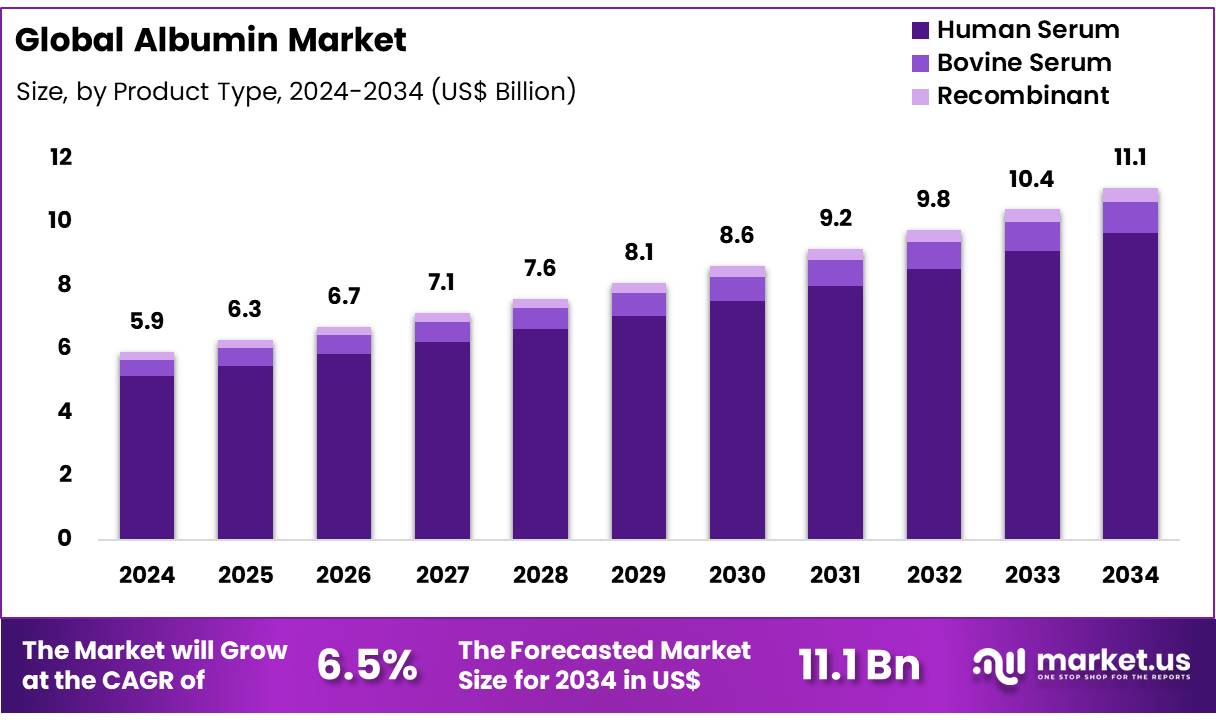
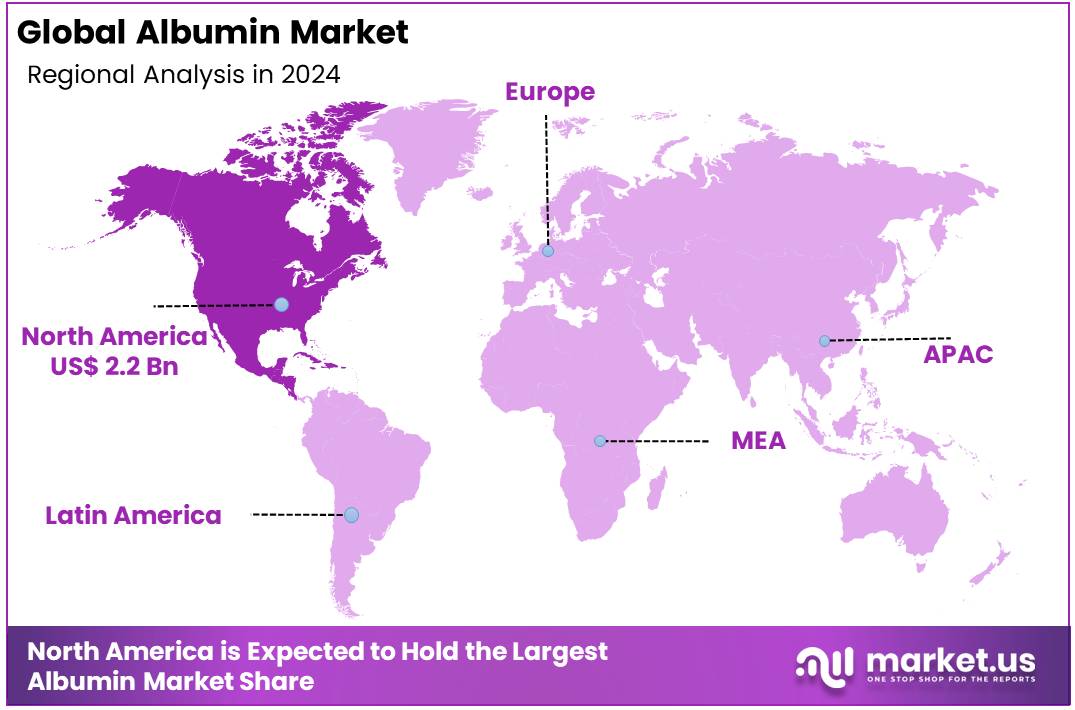
The Global Albumin Market size is expected to be worth around US$ 11.1 Billion by 2034, from US$ 5.9 Billion in 2024, growing at a CAGR of 6.5% during the forecast period from 2025 to 2034. In 2024, North America led the market, achieving over 37.5% share with a revenue of US$ 2.2 Billion.
The global albumin market is experiencing robust growth, driven by its essential role in various therapeutic applications, including disease management for chronic conditions such as liver cirrhosis, kidney diseases, burns, and heart failure. Human albumin, derived from plasma, is used extensively in drug formulations and as a volume expander in critical care.
The rise in albumin-based drug formulations, including its use in targeted drug delivery systems, is also contributing to market expansion. However, high production costs and a limited supply of plasma remain key challenges, particularly in low- and middle-income countries. Despite these challenges, the market presents significant growth opportunities, especially with innovations in recombinant albumin and novel drug formulations.
- In November 2024, The European Network for Translational Research-Chronic Liver Failure (ENTR-CLIF), in collaboration with Clínic-IDIBAPS, discovered a promising approach to boosting the immune system in patients with acutely decompensated cirrhosis—a severe liver disease that makes patients highly susceptible to infections. This research, recently published in JHEP Reports, shows that albumin, a protein widely used in clinical practice, can alter the immune environment by enhancing the function of both B cells and neutrophils.
Key Takeaways
- The global Albumin market was valued at USD 5.9 billion in 2024 and is anticipated to register substantial growth of USD 11.1 billion by 2034, with a 6.5% CAGR.
- In 2024, the human serum segment took the lead in the global market, securing 87.3% of the total revenue share.
- The liquid segment took the lead in the global market, securing 76.4% of the total revenue share.
- The therapeutics & clinical nutrition segment took the lead in the global market, securing 27.4% of the total revenue share.
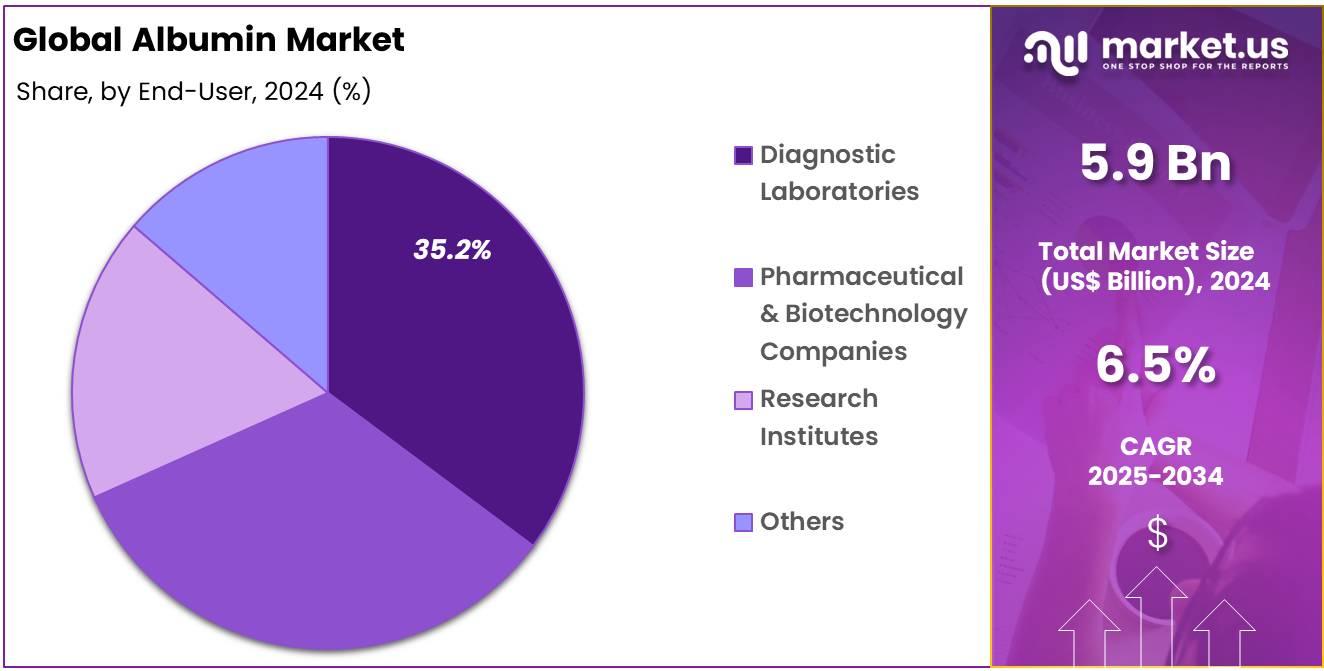
- The diagnostic laboratories segment took the lead in the global market, securing 35.2% of the total revenue share.
- North America maintained its leading position in the global market with a share of over 37.5% of the total revenue.
Product Type Analysis
Based on product type the market is fragmented into human serum, bovine serum, and recombinant. Amongst these, the human serum segment dominated the global albumin market capturing a significant market share of 87.3% in 2024. The expanding usage of HSA in the pharmaceutical and biotechnology sectors is driving the demand for the segment over the projected period.
For example, the HAS is commonly used as a stabilizing ingredient in biologics and vaccines, notably with the increase in vaccine development efforts the demand for stabilizing ingredients such as HSA is growing. In addition, the global ageing population significantly influences the demand for human serum albumin (HSA), as older adults are more susceptible to chronic illnesses and conditions that require albumin-based therapies.
- For instance, According to WHO, by 2050, people aged 60 years and older will be 2.1 billion in the world. The number of persons aged 80 years or older is expected to triple between 2020 and 2050 to reach 426 million.
Form Analysis
The market is fragmented by form into liquid and lyophilized. The liquid segment dominated the global albumin market capturing a significant market share of 76.4% in 2024. The dominance of the segment is attributed to its wide application and convenience in treatments. Human serum albumin (HSA) in liquid form is preferred for intravenous administration, especially in clinical settings such as hospitals, due to its immediate usability and faster absorption.
It is commonly used in treating conditions such as burns, trauma, liver cirrhosis, and hypoalbuminemia. Liquid albumin’s ability to be easily administered in emergencies and its long shelf life without the need for reconstitution make it highly favourable.
- According to the World Health Organization (WHO), in November 2023, around 11 million people suffered from burns every year across the globe. Additionally, a total of 4,441 cases of burn injuries were reported between 2019 and 2023 with 20 cases resulting in death. Nearly 59 % of burns involved females.
Additionally, liquid albumin is crucial in the production of albumin-based formulations for drug delivery, where it is used to enhance the bioavailability and efficacy of various drugs. This segment’s dominance is also driven by the rising demand for plasma-derived products in therapeutic applications, as well as the growing focus on recombinant albumin for more consistent and safer treatment outcomes.
Application Analysis
The market is fragmented by application into therapeutics & clinical nutrition, drug formulation and vaccines, clinical nutrition, food and beverages, cell culture media & tissue engineering, animal feed, and others. Therapeutics & clinical nutrition held a high share in the global albumin market capturing a significant market share of 27.4% in 2024.
In therapeutics, albumin is extensively used in managing conditions such as hypoalbuminemia, liver cirrhosis, burns, and nephrotic syndrome, where it helps restore plasma volume, maintain osmotic pressure, and support organ function. Its use in intravenous infusion therapies is critical for patients undergoing surgeries, trauma recovery, and critical care treatments.
In clinical nutrition, albumin is a vital component for patients suffering from malnutrition or those recovering from long-term illnesses, as it helps improve protein intake and promotes healing. The increasing prevalence of chronic diseases, coupled with the growing ageing population, has further amplified the demand for albumin in these areas. Additionally, albumin-based formulations are also gaining traction in novel drug delivery systems, further bolstering its application in both therapeutics and clinical nutrition.
End-User Analysis
The market is fragmented by end-user form into diagnostic laboratories, pharmaceutical & biotechnology companies, research institutes, and others. Diagnostic laboratories held a high share in the global albumin market capturing a significant market share of 35.2% in 2024. Albumin is a critical biomarker used in laboratory tests to assess liver and kidney function, nutritional status, and overall health.
In particular, it plays a pivotal role in detecting and monitoring conditions like liver cirrhosis, nephrotic syndrome, and protein malnutrition, as albumin levels in the blood can indicate the presence and severity of these diseases. Furthermore, albumin’s involvement in the development of diagnostic assays and reagents has led to its increased use in clinical laboratories for a variety of tests.
As the demand for accurate diagnostic tools grows, especially in emerging healthcare markets, the role of albumin in diagnostic laboratories is expected to remain high. The rising focus on early detection of diseases and personalized healthcare has further strengthened the demand for albumin in diagnostics.
Key Segments Analysis
By Product Type
- Human Serum
- Bovine Serum
- Recombinant
By Form
- Liquid
- Lyophilized
By Application
- Therapeutics & Clinical Nutrition
- Drug Formulation and Vaccines
- Clinical Nutrition
- Food and Beverages
- Cell Culture Media & Tissue Engineering
- Animal Feed
- Others
By End-User
- Diagnostic Laboratories
- Pharmaceutical & Biotechnology Companies
- Research Institutes
- Others
Market Dynamics
Increasing Prevalence of Chronic Diseases
The increasing prevalence of chronic diseases is a key driver for the growth of the global albumin market. Chronic conditions such as diabetes, cardiovascular diseases (CVDs), liver diseases, and kidney disorders require long-term management, often involving albumin-based therapies. With chronic diseases responsible for 71% of global deaths, as reported by the World Health Organization (WHO), the demand for albumin is rising.
- For instance, the International Diabetes Federation estimates that over 460 million people globally suffer from diabetes, a number expected to soar to 700 million by 2045.
Cardiovascular diseases, which lead to around 17.9 million deaths annually, further contribute to the growing need for albumin in treatments. Albumin plays a vital role in managing conditions such as liver cirrhosis, nephrotic syndrome, acute burns, and heart failure, often acting as a plasma volume expander to maintain blood pressure and circulation.
Additionally, the ageing population, particularly in developed nations, is increasing the incidence of chronic diseases. By 2050, it is projected that one in six people globally will be over the age of 65, leading to higher demand for disease management treatments, including albumin.
Moreover, emerging markets, particularly in Asia, are witnessing a rapid rise in chronic conditions due to urbanization, lifestyle changes, and risk factors like obesity and smoking, further boosting the demand for albumin-based therapies. As chronic diseases continue to rise, the global albumin market is expected to experience steady growth, underpinned by the rising need for albumin in disease management.
Market Restraints
High Cost of Albumin Production
The high cost of albumin production is a significant restraint on the growth of the global albumin market. Human albumin is primarily derived from human plasma, a process that involves complex, labour-intensive procedures and stringent quality control to ensure safety and efficacy. This results in high production costs, making albumin-based therapies expensive. Additionally, the limited supply of human plasma and the advanced technologies required for its extraction and purification further drive up the cost.
As a result, albumin therapies remain prohibitively expensive, especially in low- and middle-income countries, limiting their accessibility. The high price also impacts healthcare systems and patients, leading to concerns about affordability and insurance coverage. Moreover, the market faces competition from alternative treatments, such as synthetic or recombinant albumin, which are generally more affordable but may not fully replicate the therapeutic benefits of human-derived albumin. These factors collectively hinder market growth.
The maintenance of advanced protein expression systems, along with ensuring consistency, purity, and safety, further increases operational costs. For instance, yeast-based systems, one of the common methods for producing recombinant human serum albumin (rHSA), require continuous optimization to increase yield and reduce the presence of unwanted by-products. This level of control and precision raises the price of recombinant albumin, limiting its use, especially in price-sensitive regions or applications.
Market Opportunities
Albumin-based Drug Formulations
Albumin-based drug formulations present significant opportunities for growth in the global albumin market. As a vital plasma protein, albumin is increasingly utilized in pharmaceutical and biotechnology applications, particularly in drug delivery systems.
Its unique properties, including its ability to bind with various drugs and facilitate their transport, make it an ideal carrier for targeted therapies, especially in cancer treatments and rare diseases. The use of albumin as a carrier molecule in nanomedicines has gained traction due to its biocompatibility, non-toxicity, and ability to improve the bioavailability of poorly soluble drugs.
One notable development is AlbuRx, an albumin-based formulation used in drug delivery for chemotherapy, which has shown promising results in enhancing the therapeutic effects while minimizing side effects. Moreover, albumin-bound paclitaxel (Abraxane), a cancer drug, has demonstrated better efficacy compared to conventional paclitaxel formulations, contributing to the growing use of albumin in drug formulations.
As drug formulations evolve, albumin’s versatility in improving drug efficacy and patient outcomes creates vast opportunities for the market, particularly in oncology, rare diseases, and biopharmaceuticals. This trend is expected to boost the demand for albumin-based therapies and expand market prospects.
Impact of macroeconomic factors / Geopolitical factors
Macroeconomic and geopolitical factors have a significant impact on the albumin market, influencing both demand and supply dynamics. Economic downturns or recessions can lead to reduced healthcare spending, affecting the demand for albumin-based products used in therapeutics and diagnostics. Conversely, during periods of economic growth, increased investments in healthcare and biopharmaceutical R&D often boost the demand for albumin.
Geopolitical instability, such as trade wars, sanctions, or political tensions, can disrupt global supply chains, leading to challenges in sourcing raw materials for albumin production. Trade restrictions or tariffs on animal-derived products may also raise production costs, impacting product pricing and availability.
Additionally, regulatory changes in different regions, especially regarding animal welfare and safety standards, can influence the sourcing and manufacturing processes. These factors can lead to market volatility, affecting the accessibility and affordability of albumin products in various regions. As a result, businesses in the albumin market must navigate these complexities to maintain stability and growth.
Latest Trends
This expansion of the market is primarily driven by the increasing demand for biopharmaceuticals, the rising prevalence of chronic diseases, and advancements in drug delivery systems. Albumin’s pivotal role in therapeutic applications, such as treating hypoalbuminemia, burns, trauma, liver cirrhosis, and cardiac surgeries, further bolsters its market demand.
Notably, the development of albumin-based nanoparticles for targeted drug delivery is emerging as a promising trend, enhancing the efficacy of treatments for various diseases. Additionally, the growing utilization of recombinant albumin over traditional serum-based albumin is contributing to the market’s evolution, offering safer and more consistent alternatives in therapeutic applications.
Regional Analysis
North America held the largest market share, driven by a strong healthcare infrastructure, a sizable patient population, and extensive research and development activities. The region is home to leading medical institutions, hospitals, and research centres, fostering the widespread use of albumin in various medical applications.
Additionally, North America is undergoing a demographic shift with a growing ageing population. Older individuals are more prone to health conditions requiring albumin, such as liver disease, and chronic disease management, sustaining high demand for albumin-based treatments in the region.
- According to American Liver Foundation in 2023, more than 100 million people in the U.S. have some form of liver disease. 4.5 million U.S. adults (1.8%) have been diagnosed with liver disease. However, it is estimated that 80-100 million adults in the U.S. have fatty liver disease.
Europe held the second-largest share in the global albumin market, driven by a well-established healthcare system, increasing demand for advanced medical treatments, and strong biopharmaceutical research. The region’s growing elderly population, which is more susceptible to chronic diseases and surgical interventions, further supports market growth.
Additionally, Europe has a strong presence of pharmaceutical and biotechnology companies engaged in drug development and vaccine production, where albumin is widely used as a stabilizing agent. Favourable government policies and rising healthcare expenditures also contribute to the expanding adoption of albumin in therapeutic and research applications across the region.
Asia Pacific is projected to grow at the fastest CAGR in the market due to rapid advancements in healthcare infrastructure, increasing demand for biopharmaceuticals, and growing awareness about therapeutic applications of albumin. The rising prevalence of chronic diseases such as liver cirrhosis, kidney disorders, and hypoalbuminemia further drives market demand. The region’s increasing focus on biotechnology research and recombinant albumin production also contributes to its robust market expansion.
- In November 2024, in India, Raichur-based Shilpa Medicare announced that the Subject Expert Committee (Haematology) (SEC) has reviewed and accepted the results of its Phase I clinical trials for Recombinant Human Albumin (rHA) 20%, and has granted approval to advance to Phase III clinical trials.
Key Regions and Countries
North America
- US
- Canada
Europe
- Germany
- France
- The UK
- Spain
- Italy
- Russia
- Netherland
- Rest of Europe
Asia Pacific
- China
- Japan
- South Korea
- India
- New Zealand
- Singapore
- Thailand
- Vietnam
- Rest of APAC
Latin America
- Brazil
- Mexico
- Rest of Latin America
Middle East & Africa
- South Africa
- Saudi Arabia
- UAE
- Rest of MEA
Key Players Analysis
The global albumin market is highly competitive, with key players focusing on product innovation, strategic collaborations, and capacity expansion to strengthen their market position. Leading companies such as CSL Limited, Grifols S.A., Takeda Pharmaceutical Company, and Kedrion S.p.A. dominate the market through extensive R&D and advanced manufacturing capabilities. Competition is driven by increasing demand for human and recombinant albumin in therapeutic and biopharmaceutical applications.
Emerging players and regional manufacturers are also gaining traction, particularly in Asia-Pacific. Regulatory approvals, pricing strategies, and technological advancements play a crucial role in shaping the competitive dynamics of the global albumin market.
Merck KGaA is a leading global science and technology company based in Darmstadt, Germany. Specializing in healthcare, life sciences, and performance materials, Merck KGaA provides innovative solutions across various sectors, including pharmaceuticals, biotechnology, and laboratory services. In addition, Thermo Fisher Scientific Inc. is a multinational corporation that provides laboratory equipment, chemicals, and scientific services. The company specializes in providing high-performance products and solutions for scientific research, healthcare, and industrial applications.
Top Key Players
- CSL Behring (CSL)
- Kedrion S.p.A.
- Takeda Pharmaceutical Company Limited
- Lazuline Bio
- InVitria
- Biorbyt Ltd.
- Grifols, S.A.
- Octapharma AG
- Albumin Bioscience
- Aspira Chemical
- ALBUMEDIX (Sartorius AG)
- Cyagen Biosciences
- Merck KGaA
- Thermo Fisher Scientific Inc.
Recent Developments
- In November 2023, ACROBiosystems launched GMP grade DLL4, a recombinant, soluble form of Delta-like Ligand 4, or DLL4. The GMP process is designed to guarantee that the DLL4 recombinant protein is consistent, contaminant-free, and developed in a controlled production environment for use as a raw material in stem cell culturing.
- In March 2021, Aledix partnered with FUJIFILM Wako Pure Chemical Corporation to supply recombinant human albumin to the Chinese and Japanese markets. The partnership strengthens Albumedix’s commitment to regional biopharmaceutical and advanced therapy developers.









