Hanoi, the capital of Vietnam, passed a resolution on July 10, 2025, establishing a project list for underground infrastructure investment across the city. These projects are open to private investment, offering lucrative opportunities for prospective investors and developers.
On July 10, 2025, the Hanoi People’s Council enacted the list of underground projects across the city for the first phase of development. The move is a crucial part of the implementation of the 2024 Capital Law, aiming to modernize the capital’s infrastructure by relocating critical systems and facilities underground.
Challenges of Hanoi’s urban planning
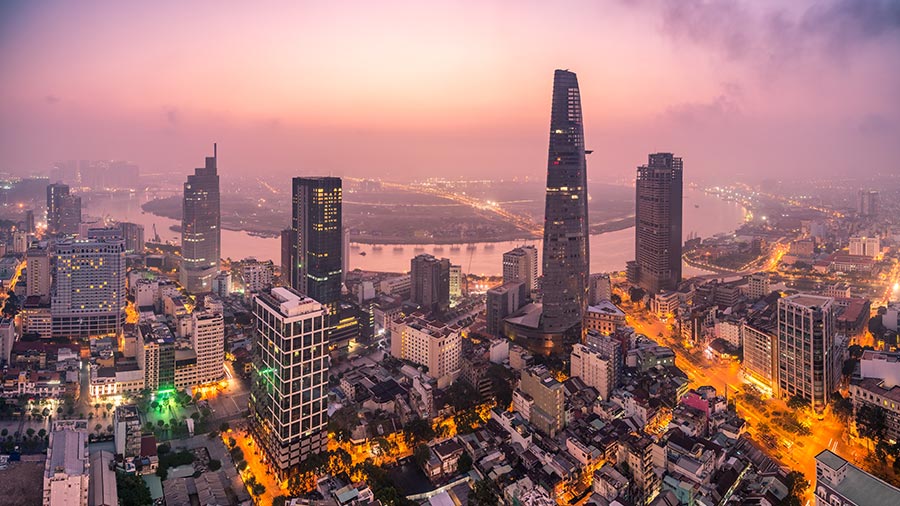
The Hanoi People’s Council reports that the central city area has nearly reached its development limits, characterized by a high density of construction, population, and traffic, leaving little room for surface expansion.
The city has long faced localized flooding after heavy rains, which is the result of an outdated drainage system and limited capacity to add above-ground infrastructure. The surface transport network is dealing with frequent congestion at major intersections, constrained by site clearance issues that limit road expansion.
Meanwhile, the underground infrastructure, comprising drainage, water supply, electricity, and telecommunications, is fragmented and incomplete, further complicating development efforts.
Goals of Hanoi’s underground system development
Under the resolution, several sorts of projects will gain priority from the authority. These categories pertain to the expansion of the urban railway system, with a focus on underground metro lines, stations, and associated support facilities. These establishments are expected to create an underground network to connect the metro stations with other public works, parking lots, and basements of commercial buildings, hotels, and cultural centers.
The plan intends to address the city’s pressing traffic issues through investments in road underpasses, underground roadways, and extensive public parking facilities. The initiative looks to modernize the city’s technical infrastructure by relocating systems for energy, public lighting, telecommunications, water supply, drainage, and waste management underground. New subterranean public service facilities for culture, sports, commerce, and tourism are also part of the plan.
First-phase lists of investment projects for underground systems
The city begins to implement its plan in phases. In the first phase, the underground projects open for investment include:
- Urban underground railway systems, which consist of 8 routes totaling approximately 320.25 km, with 191 stations, including 81.2 km underground and 68 stations underground;
- Road tunnels, underground parking facilities, and public works: 85 projects, including five road underpasses, 78 underground parking lots, and two underground public works; and
- Underground streets equipped with telecommunication and electrical lines: 95 streets with telecommunication and electrical infrastructure, cables, and shared technical facilities.
Investment mechanism
The projects outlined in the resolution are encouraged to be financed through a public-private partnership (PPP). This mechanism is expected to attract non-budgetary capital sources for the city’s urban development, unlocking significant flexibility in mobilizing capital, technology, and expertise. This approach aims to foster competition and innovation in the construction and operation of facilities.
The underground project list is organized by functional group, scale, and priority area, allowing Hanoi to specify the scope, criteria, and project approval process, and unify incentive policies. This list aims to optimize resources, prevent duplication and waste, and address the urgent needs of sustainable development while enhancing the quality of life in urban areas.